

What's Happening?
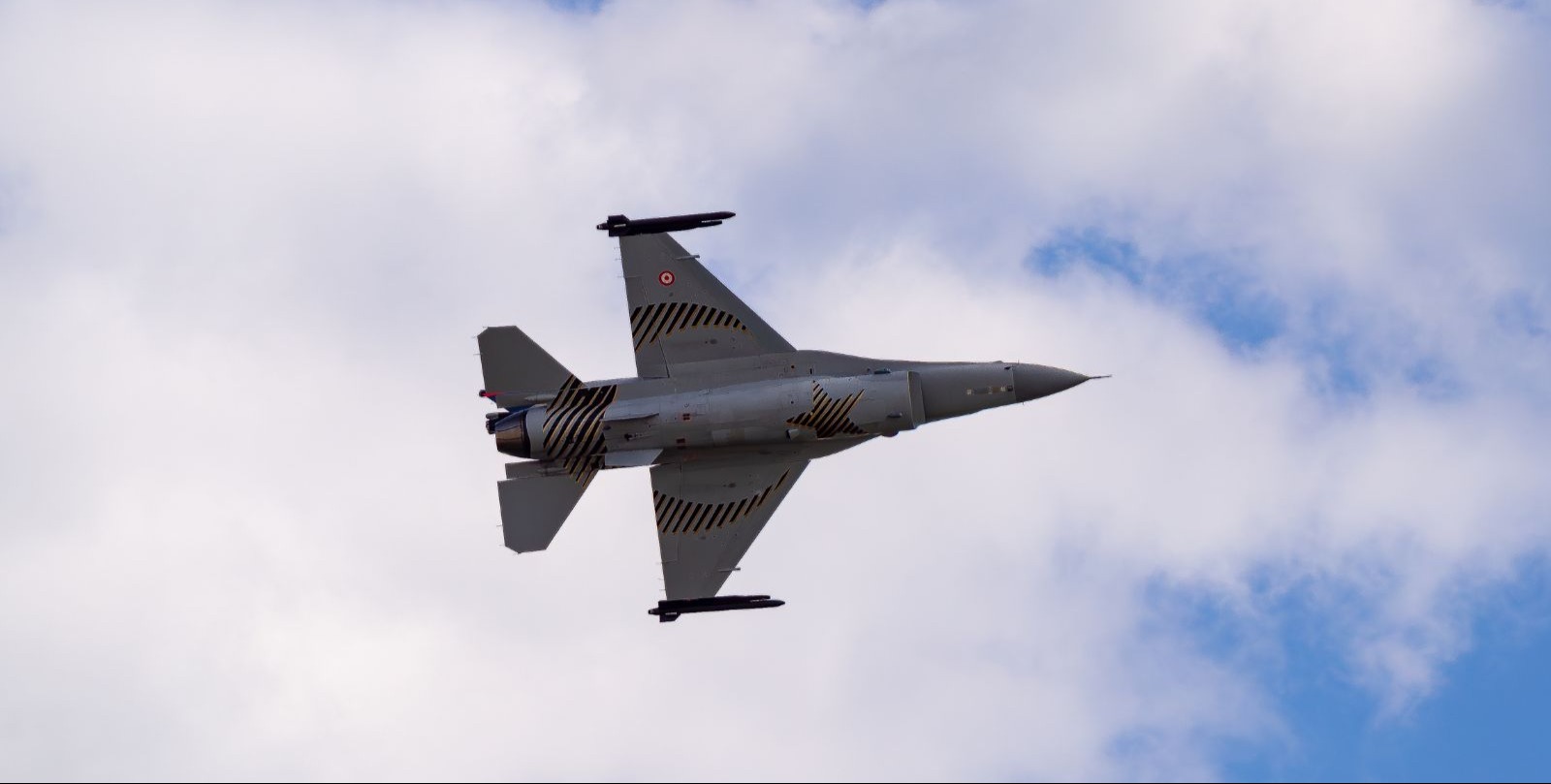
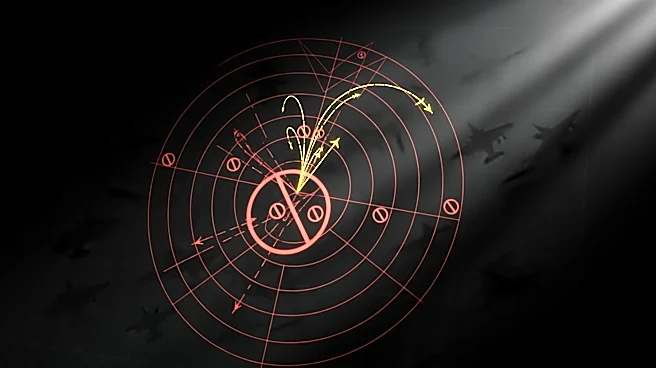
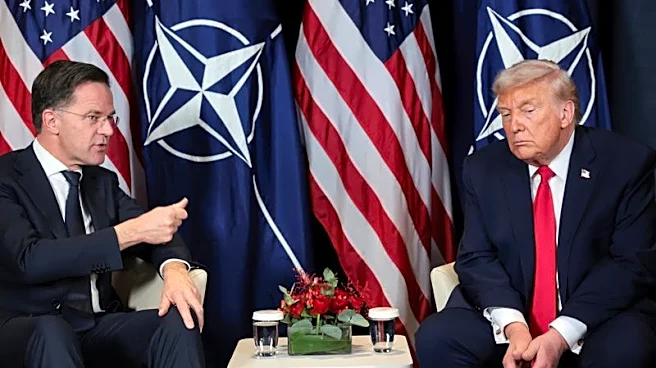
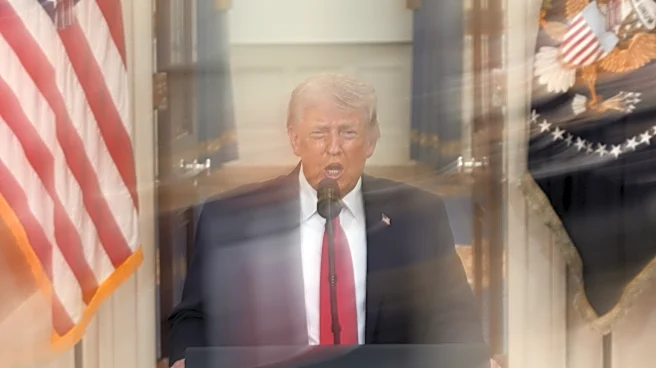
CNN host Abby Phillip presented a montage of statements from President Trump and his administration regarding U.S. control over Iranian airspace. This comes after Iranian missiles downed two U.S. warplanes, an F-15 and an A-10 Warthog, resulting in one
pilot missing in action. The montage highlighted previous claims by Trump and officials like Defense Secretary Pete Hegseth and White House press secretary Karoline Leavitt, asserting U.S. dominance over Iran's airspace. Despite these claims, the recent events suggest a more complex situation, with Iran retaining significant missile capabilities. The incident marks an escalation in the ongoing conflict, with the potential capture of the missing pilot adding to tensions.
Why It's Important?
The downing of U.S. warplanes by Iranian missiles challenges the narrative of complete U.S. air superiority in the region, as previously stated by President Trump and his administration. This development could impact U.S. military strategy and foreign policy, potentially leading to increased military engagement or diplomatic efforts to resolve the conflict. The situation also raises questions about the accuracy of intelligence and the effectiveness of U.S. military operations in Iran. The potential capture of a U.S. pilot could further complicate diplomatic relations and increase pressure on the administration to respond decisively.
What's Next?
The U.S. military may reassess its strategy in Iran, considering the unexpected resilience of Iranian air defenses. This could involve deploying additional resources or adjusting tactics to mitigate the threat from ground-based missile systems. The Trump administration might face increased scrutiny over its handling of the conflict and the accuracy of its public statements. Diplomatic efforts could be intensified to secure the release of the missing pilot and prevent further escalation. The international community may also become more involved, seeking to mediate and prevent a broader conflict.
Beyond the Headlines
The incident highlights the complexities of modern warfare, where technological superiority does not always guarantee success. It underscores the importance of accurate intelligence and the need for adaptable military strategies. The situation also reflects broader geopolitical tensions in the Middle East, with potential implications for regional stability and global security. The narrative of U.S. military dominance may be challenged, prompting a reevaluation of defense policies and international alliances.