





What's Happening?
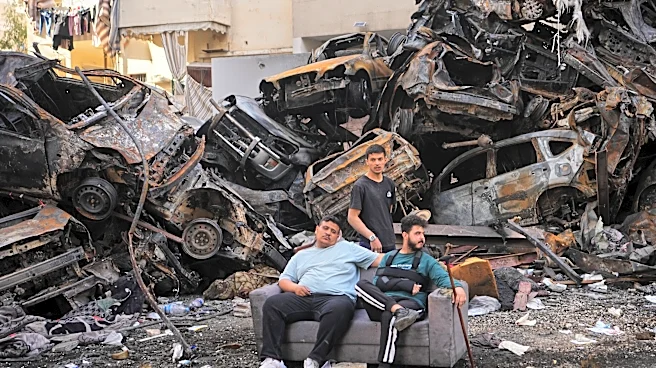
The International Rescue Committee (IRC) is drawing attention to the severe humanitarian crisis in Sudan, where ongoing conflict has led to the largest displacement and food insecurity crisis globally. Since the outbreak of violence in April 2023 between
the Sudanese Armed Forces and the Rapid Support Forces, the situation has deteriorated significantly. As of 2026, 33.7 million people require humanitarian assistance, with 41% of the population facing acute food insecurity. The conflict has devastated agriculture, a sector employing two-thirds of the population, by destroying infrastructure and making fields and markets inaccessible. The IRC is scaling up its response to provide emergency agricultural assistance to prevent further deterioration in food security and malnutrition.
Why It's Important?
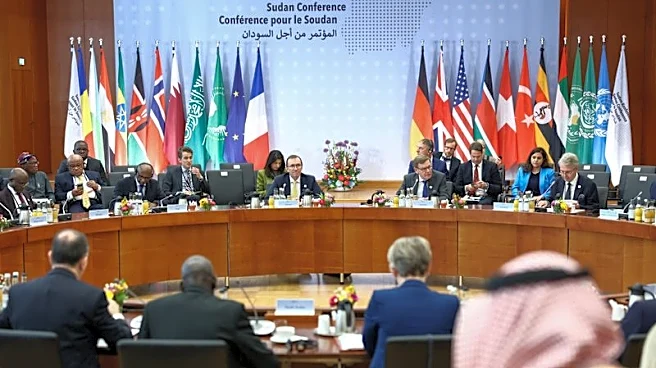
The crisis in Sudan has far-reaching implications for global humanitarian efforts and highlights the challenges of addressing food insecurity in conflict zones. The IRC's efforts to provide emergency assistance are crucial in preventing a further escalation of the crisis, which could lead to increased displacement and instability in the region. The situation underscores the need for sustained international support and funding to address the root causes of hunger and to support recovery and resilience efforts. The crisis also serves as a reminder of the interconnectedness of global humanitarian challenges and the importance of coordinated international responses.
What's Next?
The IRC plans to continue its efforts to deliver lifesaving agricultural assistance, aiming to reach 7.5 million people with time-critical support by the end of 2026. However, the success of these efforts depends on securing the necessary funding and international support. The organization is urgently seeking $75 million to bolster food production and protect livestock. The international community's response will be critical in determining the future trajectory of the crisis and the ability of affected communities to recover and rebuild.
Beyond the Headlines
The crisis in Sudan highlights the ethical and moral responsibilities of the international community to respond to humanitarian needs, particularly in conflict-affected regions. It also raises questions about the effectiveness of current humanitarian funding models and the need for more sustainable and predictable investment in crisis prevention and recovery. The situation in Sudan could serve as a case study for future humanitarian interventions, emphasizing the importance of addressing the underlying causes of conflict and food insecurity.