






What's Happening?
A bipartisan coalition, including Representative Cliff Bentz (R-Oregon), Senator Jeff Merkley (D-Oregon), Senator Cindy Hyde-Smith (R-Mississippi), and Representative Bennie Thompson (D-Mississippi), has introduced the Wildfire Reduction Market Expansion
bill. This legislation aims to modify the legal definition of renewable biomass within the Renewable Fuel Standard to include low-value wood and biomass waste. The proposed change would allow materials such as brush, sawdust, bark, logging residues, and forest debris to be used in biocombustible production. Representative Bentz highlighted that Oregon's forests accumulate hundreds of thousands of tons of such waste daily, increasing the risk of catastrophic wildfires. He emphasized the potential of new technologies to transform these residues into marketable goods, thereby addressing both economic and environmental concerns. The Southern Group of State Foresters has expressed support for this bill, recognizing its potential to reduce biomass accumulation and mitigate wildfire risks.
Why It's Important?
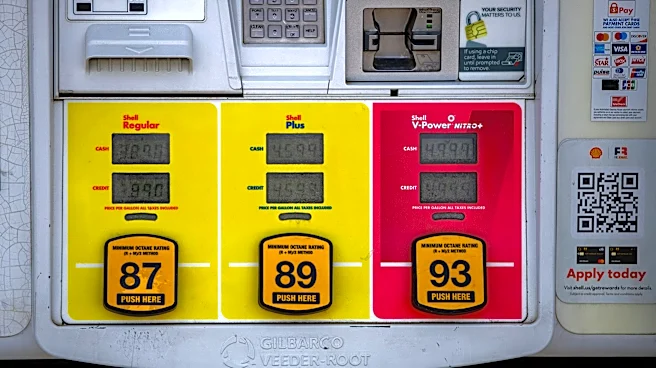
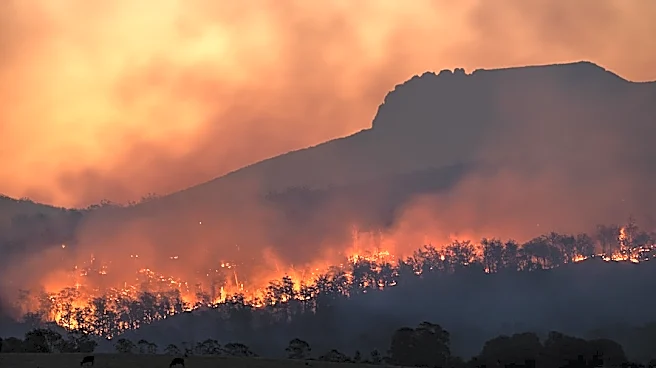
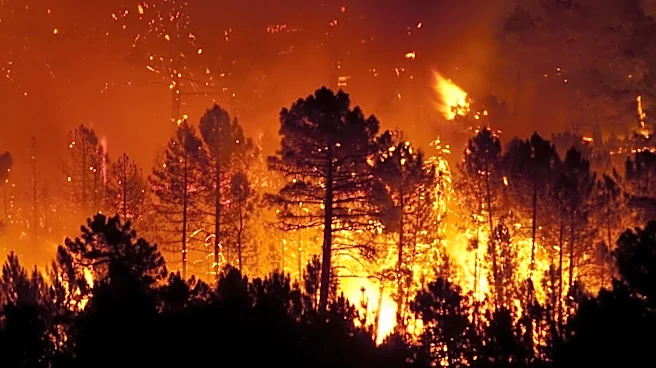
This bill is significant for its dual approach to environmental protection and economic development in the U.S. It seeks to mitigate the escalating problem of wildfires, which have burned over 3.2 million hectares in 2026 alone, by providing an economic incentive to remove combustible biomass from forests. By expanding the definition of renewable biomass, the legislation could create new markets for forest waste, offering a sustainable solution for forest management. Economically, it could revitalize rural communities dependent on forestry and sawmills, which have faced closures. The consolidation of a biocombustibles industry based on these wastes would generate new revenue streams and employment opportunities. This initiative also aligns with broader efforts to expand the supply of renewable fuels, contributing to energy independence and reducing reliance on fossil fuels. The bill's bipartisan support underscores a shared understanding of the urgent need for comprehensive wildfire prevention and sustainable resource utilization.
What's Next?
The Wildfire Reduction Market Expansion bill will proceed through the legislative process, requiring consideration and votes in both the House and Senate. If passed, the modification to the Renewable Fuel Standard's definition of renewable biomass would take effect, enabling producers to utilize secondary forest raw materials for biocombustible production. This would likely lead to increased investment in technologies for processing wood waste into fuel and the development of new infrastructure for extraction, transportation, and processing of qualified wood. Stakeholders, including forest owners, sawmill operators, and rural communities, would likely see new economic opportunities. Environmental agencies would monitor the effectiveness of the bill in reducing wildfire incidents and promoting sustainable forest management practices. The success of this initiative could also pave the way for similar legislative efforts aimed at addressing environmental challenges through market-based solutions.
Beyond the Headlines
Beyond its immediate impact on wildfire prevention and the biocombustibles market, this legislation touches upon deeper implications for land management and resource valuation. It redefines what is considered 'waste' in forestry, transforming it into a valuable commodity. This shift could encourage more proactive and sustainable forest management practices, moving away from traditional timber-centric approaches to a more holistic view that includes biomass utilization. Ethically, it addresses the responsibility of managing natural resources to prevent ecological disasters while simultaneously supporting economic livelihoods. The bill also highlights the potential for technological innovation to solve complex environmental problems, demonstrating how scientific advancements can create value from previously discarded materials. This could set a precedent for other industries to explore similar circular economy models, where waste products are repurposed, leading to reduced environmental impact and enhanced economic resilience.