






What's Happening?
The national voting rights organization, Common Cause, has initiated a nationwide election protection effort in preparation for the 2026 midterm elections. The group announced this initiative during a virtual news conference, revealing plans to recruit
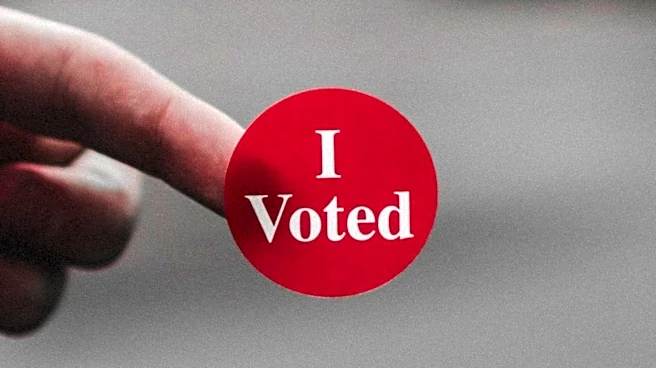
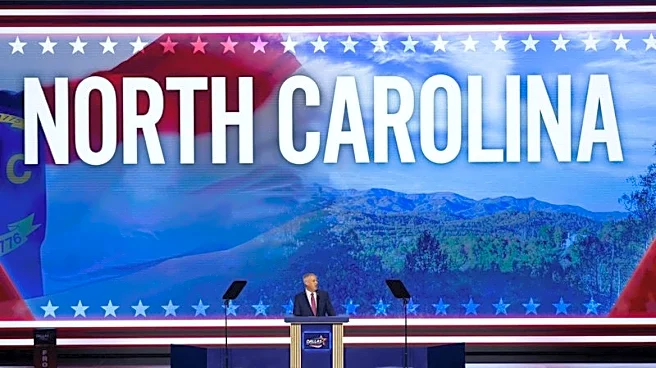
and train over 10,000 volunteers across the country. These volunteers will be tasked with monitoring polling places, staffing voter-assistance hotlines, and collaborating with legal teams to address any issues that could impede voting. Common Cause's President and CEO, Virginia Kase Solomón, emphasized the organization's commitment to taking direct legal action, combating voter intimidation, and providing real-time support to voters to ensure they can cast their ballots safely and confidently. In North Carolina, Common Cause aims to establish a presence in all 100 counties, working with grassroots groups to recruit poll monitors and operate a state-specific voter hotline, 888-OUR-VOTE, staffed by legal professionals and students. The organization previously recruited over 15,000 election protection volunteers in 2024.
Why It's Important?
This initiative by Common Cause is significant for safeguarding the integrity of the U.S. electoral process, particularly in an environment where concerns about voter access and potential intimidation are prevalent. By mobilizing a large volunteer force and legal support, the organization aims to ensure fair and accessible elections, which is crucial for maintaining public trust in democratic institutions. The focus on training volunteers on state voting laws and proper conduct at polling places helps to standardize election monitoring and address potential irregularities effectively. Furthermore, the group's proactive stance, including filing lawsuits against the potential deployment of federal law enforcement at polling sites and challenging federal attempts to collect voter data, underscores the ongoing legal and political battles surrounding voting rights. This effort could mitigate issues such as voter suppression and misinformation, thereby strengthening democratic participation and ensuring that all eligible citizens have the opportunity to exercise their right to vote without undue obstacles.
What's Next?
Common Cause will continue its recruitment and training efforts for volunteers leading up to the 2026 midterm elections. The trained volunteers will be deployed to polling locations and voter-assistance hotlines from the beginning of early voting through the certification process. The organization will also likely continue its legal challenges against any perceived threats to voting rights, such as the presence of federal law enforcement at polling places or attempts to collect voter data. Major stakeholders, including political parties, other advocacy groups, and election officials, will closely observe the impact of this initiative on voter turnout and the overall fairness of the elections. The success of this effort could influence future strategies for election protection and voter engagement in subsequent election cycles. Additionally, the collaboration with grassroots groups and legal teams suggests a sustained, multi-faceted approach to addressing voting-related issues.
Beyond the Headlines
Beyond the immediate goal of protecting the 2026 midterm elections, Common Cause's initiative highlights deeper societal and political implications regarding the future of democratic participation in the U.S. The emphasis on volunteer training and legal action reflects a growing recognition of the need for robust, citizen-led oversight of electoral processes. This effort also underscores the persistent challenges of voter intimidation and the politicization of election administration, which can erode public confidence in democratic outcomes. The involvement of legal professionals and students in staffing hotlines points to the increasing complexity of election law and the necessity of expert guidance for voters. Ultimately, this initiative contributes to a broader national dialogue about the balance between election security and voter access, and the role of civil society organizations in upholding democratic principles in an evolving political landscape. It also sets a precedent for how non-partisan groups can mobilize to counter perceived threats to electoral fairness.