






What's Happening?
Russia is considering the development of a direct rail link to India as part of its strategy to enhance trade connectivity and reduce reliance on maritime routes like the Strait of Hormuz. Russian Deputy Prime Minister Marat Khusnullin has suggested exploring
a rail corridor that could pass through Turkmenistan, Iran, Afghanistan, and Pakistan. This proposal aims to create an alternative overland trade route to the Indian Ocean, potentially mitigating risks associated with maritime chokepoints. The initiative reflects Russia's broader efforts to expand its transport infrastructure and reduce geopolitical vulnerabilities.
Why It's Important?
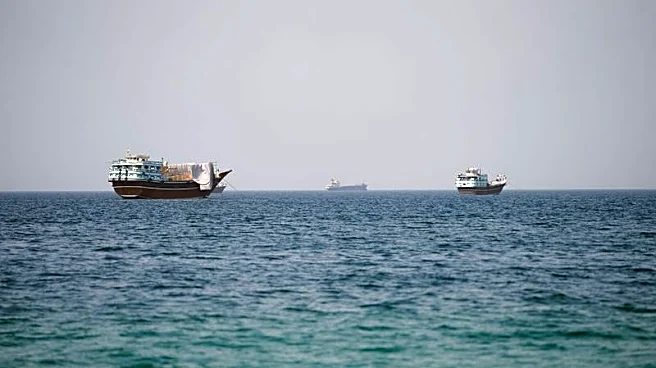
The proposed rail link between Russia and India could significantly alter trade dynamics in the region. By providing an alternative to maritime routes, it could reduce shipping costs and enhance trade efficiency. This development is particularly relevant given the strategic importance of the Strait of Hormuz, a critical passage for global energy supplies. The rail link could also strengthen economic ties between Russia and South Asia, offering new opportunities for trade and investment. However, the project faces challenges, including the need for substantial investment and international cooperation across multiple countries.
What's Next?
The feasibility of the proposed rail link will depend on several factors, including infrastructure development, political agreements, and security conditions in the region. If pursued, the project could require significant cross-border coordination and investment. Stakeholders, including governments and businesses, will need to assess the economic and strategic benefits of the rail link. The initiative could also prompt discussions on regional cooperation and infrastructure development, potentially influencing future trade policies and agreements.