





What's Happening?
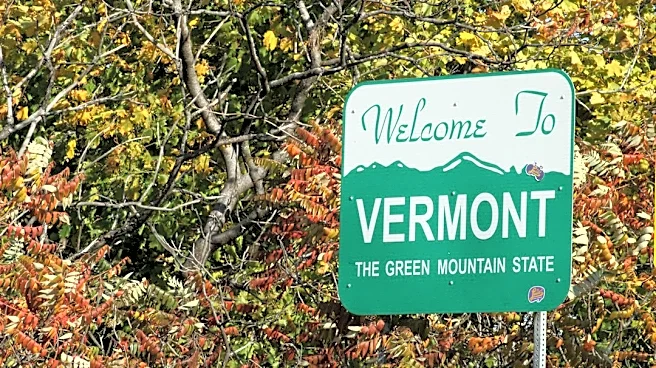
A recent poll commissioned by Vermont Public indicates that 57% of Vermonters support a new yearly tax on second homes, with 28% opposing and 15% unsure. This finding is corroborated by a University of New Hampshire’s Green Mountain State Poll, which
reported 78% support for taxing properties that are not primary residences. However, both surveys did not define what constitutes a 'second home' or inquire whether respondents owned such properties. The term 'second home' can encompass various types of properties, including vacation houses, inherited family camps, or houses rented to local families. Vermont's Act 170 of 2026, signed by Governor Phil Scott, has created a separate tax category for second homes and short-term rentals, but the specific tax rate has not yet been set. This new framework is scheduled to take effect on July 1, 2029, contingent on lawmakers finalizing major components of the school overhaul, including a new school funding formula. If a rate is not established by this date, the legislation will be repealed.
Why It's Important?
The strong public support for a second-home tax in Vermont highlights a significant public interest in leveraging property taxes to address state-level issues, potentially including housing affordability and school funding. The ambiguity in the poll's definition of 'second home' and the lack of inquiry into respondents' ownership status could lead to misinterpretations of public sentiment, as individuals may support taxing vacation homes while opposing taxes on properties rented to local families. This situation creates a challenge for policymakers who must navigate public opinion while developing precise and equitable tax legislation. The outcome of this legislative process could significantly impact property owners, the tourism industry, and the state's revenue streams, influencing how essential services like education are funded. The debate also underscores the broader tension between generating revenue and ensuring fair taxation for diverse property types and owners.
What's Next?
Vermont lawmakers face the critical task of defining the specific tax rate for second homes and short-term rentals before the July 1, 2029, deadline. The Tax Department has modeled potential rates ranging from $1.60 to $2.00 per $100 of value, which could significantly increase tax burdens for second-home owners. However, the exact implementation details, including how to identify and categorize all dwellings, are still undecided. The purpose of the revenue generated from this tax also remains a point of contention, with candidates suggesting it could fund housing initiatives or universal primary care, while the Tax Department's initial models aimed to offset a tax break for year-round homeowners. Further legislation will be required to set the rate and clarify the allocation of funds. Property owners will begin reporting their property usage on new forms in 2028, preparing for the potential changes.
Beyond the Headlines
The discussion surrounding a second-home tax in Vermont extends beyond mere fiscal policy, touching upon deeper societal and economic implications. The lack of a clear definition for 'second home' in public discourse and polling highlights a broader challenge in policy-making: how to accurately gauge public opinion on complex issues with nuanced definitions. This situation could lead to unintended consequences, such as disproportionately affecting certain segments of the population or discouraging investment in rental properties that serve local communities. The debate also reflects evolving attitudes towards property ownership and wealth distribution, particularly in areas experiencing housing shortages or high tourism. The eventual policy will not only impact property values and tax revenues but also shape the character of Vermont's communities and its appeal to both residents and seasonal visitors, potentially influencing migration patterns and local economies.