





What's Happening?
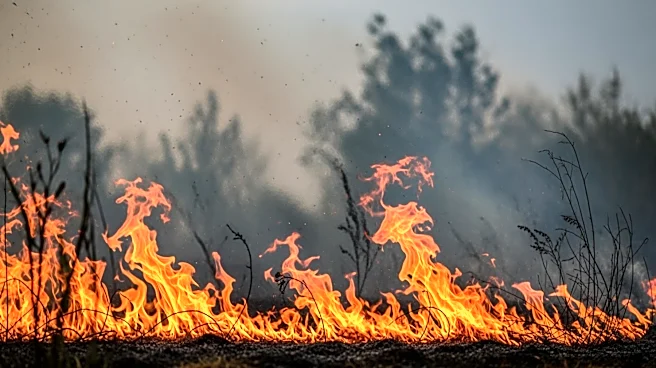
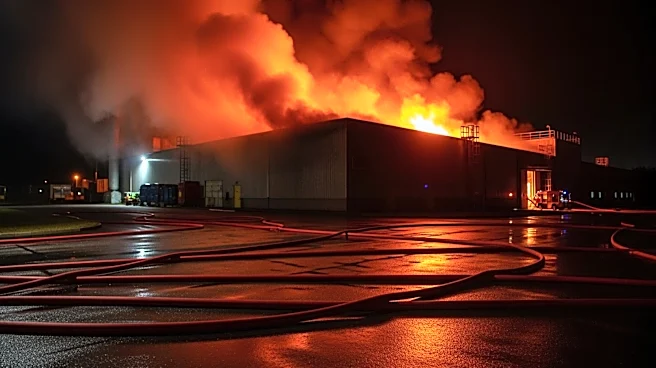
A significant fire broke out at the University of South Florida St. Petersburg's Marine Science Lab, causing extensive damage and threatening decades of research. The fire, which was visible from miles away, prompted an urgent evacuation alert. Over 50
units of first responders, including multiple firetrucks, were deployed to combat the blaze. Interim Associate Dean Frank Biafora suggested that an electrical storm might have sparked the fire. Fortunately, the building was evacuated safely, and no injuries were reported. The lab, built 80 years ago, may have lacked modern fire prevention measures, contributing to the severity of the incident.
Why It's Important?
The fire at the University of South Florida St. Petersburg highlights the vulnerability of older academic buildings to fire hazards, especially those lacking modern safety features. The loss of research facilities can have significant implications for scientific progress and education, affecting faculty and students who rely on these resources. The incident underscores the need for universities to invest in upgrading infrastructure to prevent similar occurrences. Additionally, the fire serves as a reminder of the potential risks posed by severe weather events, such as electrical storms, which can exacerbate existing vulnerabilities in infrastructure.
What's Next?
In the aftermath of the fire, the university will likely conduct a thorough investigation to determine the exact cause and assess the extent of the damage. This may lead to a review of safety protocols and infrastructure improvements to prevent future incidents. The academic community will need to find alternative arrangements for displaced research activities, which could involve temporary relocations or collaborations with other institutions. The incident may also prompt other universities to evaluate their own facilities' fire safety measures, particularly in older buildings.