


What's Happening?
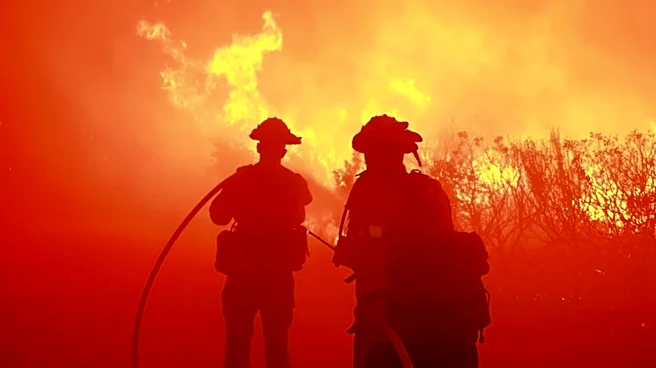
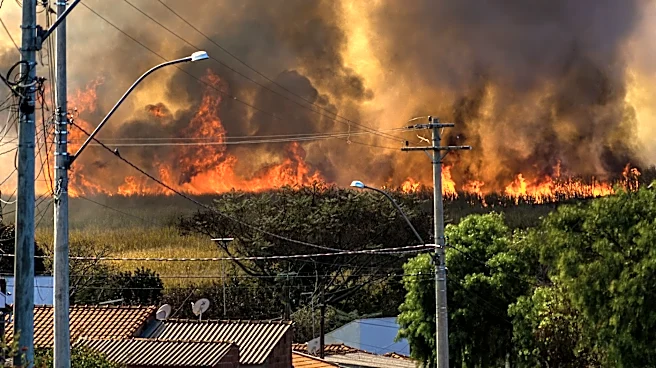
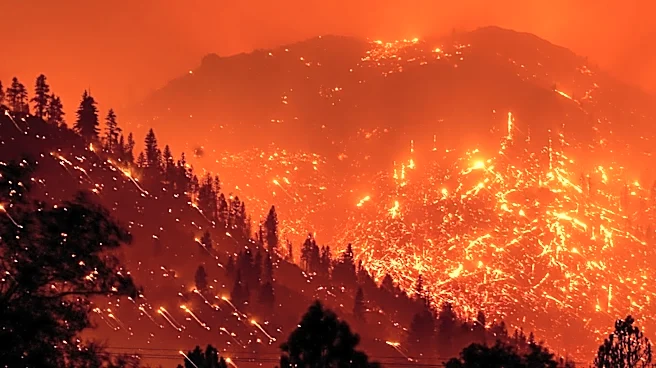
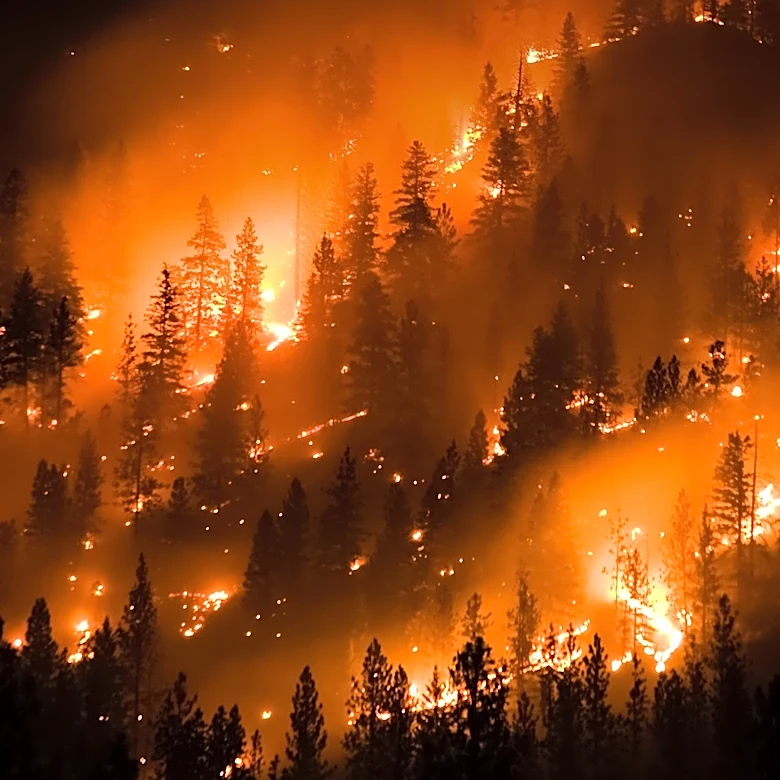
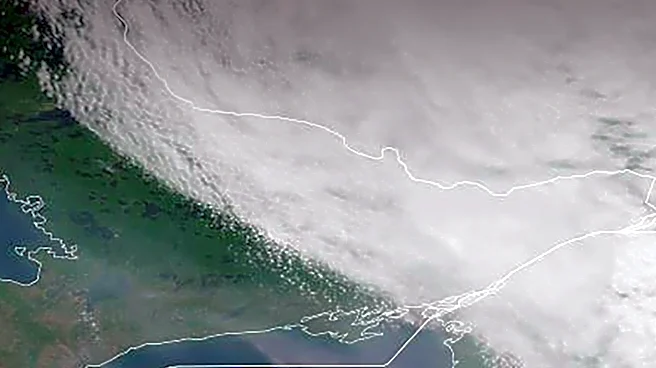
Smoke from Canadian wildfires is affecting air quality across several U.S. states, including Washington, Oregon, Idaho, Montana, Wyoming, and Colorado. The National Weather Service has issued air quality advisories for cities such as Denver, Spokane,
and Boise, warning of unhealthy levels of fine particulate pollution. The smoke, originating from large wildfires in British Columbia, poses health risks, particularly for vulnerable populations such as children, the elderly, and those with pre-existing respiratory conditions.
Why It's Important?
The transboundary nature of wildfire smoke highlights the interconnectedness of environmental issues and the need for coordinated responses across regions. Poor air quality can have significant health impacts, increasing the risk of respiratory and cardiovascular problems. The situation underscores the importance of monitoring and mitigating air pollution, as well as addressing the root causes of increased wildfire activity, such as climate change and land management practices.
What's Next?
Authorities will continue to monitor air quality and provide updates as conditions change. Residents in affected areas are advised to take precautions, such as staying indoors and using air purifiers, to minimize exposure to harmful pollutants. Long-term solutions will require addressing the factors contributing to the frequency and intensity of wildfires, including climate change mitigation and improved forest management strategies.