



What's Happening?
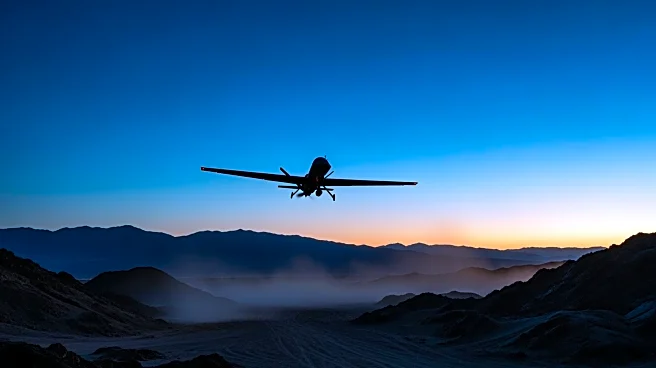
The United States has launched a series of retaliatory strikes against ISIS targets in Syria. This military action, announced by President Trump, targeted at least 70 locations associated with ISIS. The strikes were in response to an ambush that resulted
in the deaths of two American soldiers and a U.S. civilian interpreter. The operation underscores the ongoing conflict and the U.S. military's commitment to counter-terrorism efforts in the region. The strikes are part of a broader strategy to dismantle ISIS networks and prevent future attacks on American personnel and interests.
Why It's Important?
The retaliatory strikes highlight the persistent threat posed by ISIS and the U.S. military's role in combating terrorism globally. This action serves as a reminder of the volatile security situation in Syria and the broader Middle East. The strikes could impact U.S. foreign policy and military strategy, potentially influencing future engagements in the region. Additionally, the operation may affect diplomatic relations with countries involved in the Syrian conflict, as well as domestic opinions on U.S. military interventions abroad.
What's Next?
Following the strikes, there may be increased military and diplomatic activity as the U.S. assesses the impact of the operation. The response from ISIS and other regional actors could lead to further military engagements. The U.S. government may also engage in discussions with allies and partners to coordinate future counter-terrorism efforts. Domestically, the strikes could prompt debates on military strategy and the U.S. role in international conflicts.