





What's Happening?
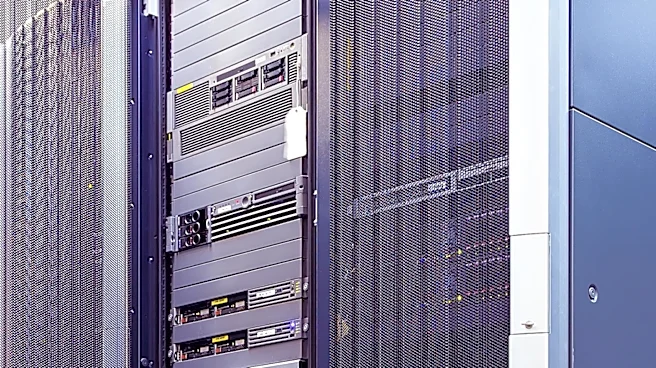
The U.S. debate surrounding data center infrastructure is increasingly focusing on potential spikes in consumer electricity bills, rather than the national security implications of an AI arms race with China. While China is actively mobilizing its energy
grid to gain an AI advantage through initiatives like the Eastern Data and Western Compute, the U.S. discussion often devolves into concerns about the cost of electricity for everyday consumers. This anti-data center backlash, which is unique among democracies to the U.S., is not always supported by data. Although increased demand from data centers will contribute to future electricity needs, other factors like electric vehicles and heat pumps are projected to account for the majority of the overall increase.
Why It's Important?
This shift in focus from national security to consumer costs could hinder the U.S.'s ability to compete effectively in the global AI landscape. The development of robust data center infrastructure is crucial for maintaining technological superiority, which has significant implications for defense and economic competitiveness. By prioritizing short-term consumer bill concerns over strategic long-term investments, the U.S. risks falling behind adversaries like China, who are making concerted efforts to build out their AI capabilities. The debate also highlights a misunderstanding of how electricity costs are structured; increased demand can sometimes lead to lower rates for consumers by spreading fixed grid costs across a larger user base, as indicated by studies from the Electric Power Research Institute.
What's Next?
To address both national security and consumer concerns, there will likely be a push for policies that encourage the expansion of power generation and modernization of the grid. This could involve streamlining regulatory processes for new energy projects and incentivizing investments in both renewable and traditional energy sources. Utility companies and data center developers may need to implement more transparent cost-sharing models to prevent residential customers from subsidizing large-scale infrastructure upgrades. Furthermore, public education campaigns could help clarify the economic benefits of data center development, such as the broader distribution of fixed grid costs and the potential for long-term energy cost reductions through increased supply.
Beyond the Headlines
The tension between national security imperatives and local economic concerns reveals a deeper challenge in democratic governance: balancing strategic national interests with the immediate needs and anxieties of the populace. The 'anti-data center backlash' reflects a broader distrust of large corporations and technological advancements, particularly when perceived to impact personal finances. This situation also underscores the ethical dilemma of energy consumption in the digital age; as AI and other advanced technologies become more prevalent, their massive energy demands will necessitate difficult choices about resource allocation, environmental impact, and equitable cost distribution. The long-term implication is a potential re-evaluation of how critical infrastructure projects are communicated, funded, and integrated into communities, ensuring that both national competitiveness and citizen welfare are adequately addressed.