




What's Happening?
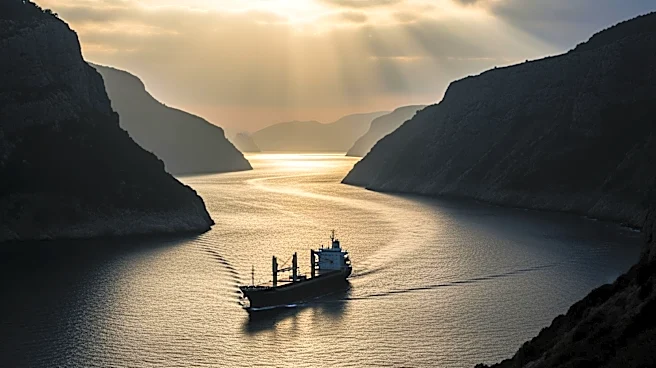
The United Nations' International Maritime Organization (IMO) has warned that Iran's proposal to impose a toll on ships passing through the Strait of Hormuz could set a dangerous precedent. The IMO emphasizes that such a toll would violate international
agreements, specifically the UN Convention on the Law of the Seas (UNCLOS), which guarantees the right of transit passage through international straits. The proposal follows a recent ceasefire between the United States and Iran, and the IMO stresses that freedom of navigation should not be impeded.
Why It's Important?
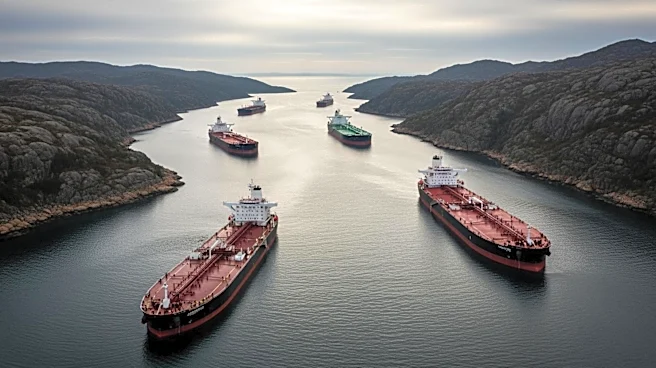
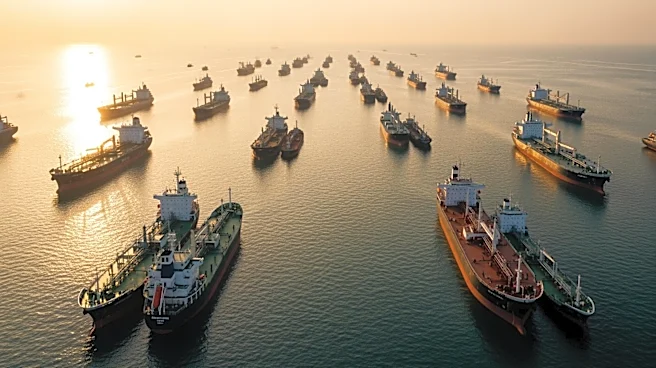
The Strait of Hormuz is a critical chokepoint for global oil and gas transportation, and any restrictions could have significant implications for international trade and energy security. The IMO's stance highlights the importance of maintaining open and free passage through international waters, as any toll could lead to increased shipping costs and potential conflicts over maritime rights. The situation underscores the need for adherence to international maritime laws to prevent unilateral actions that could disrupt global trade.
What's Next?
The international community, particularly countries reliant on the Strait of Hormuz for energy supplies, will likely engage in diplomatic efforts to prevent the implementation of the toll. The IMO may work with member states to reinforce the principles of UNCLOS and ensure compliance. Continued monitoring of the situation will be essential to prevent any escalation that could threaten global trade routes.