





What's Happening?
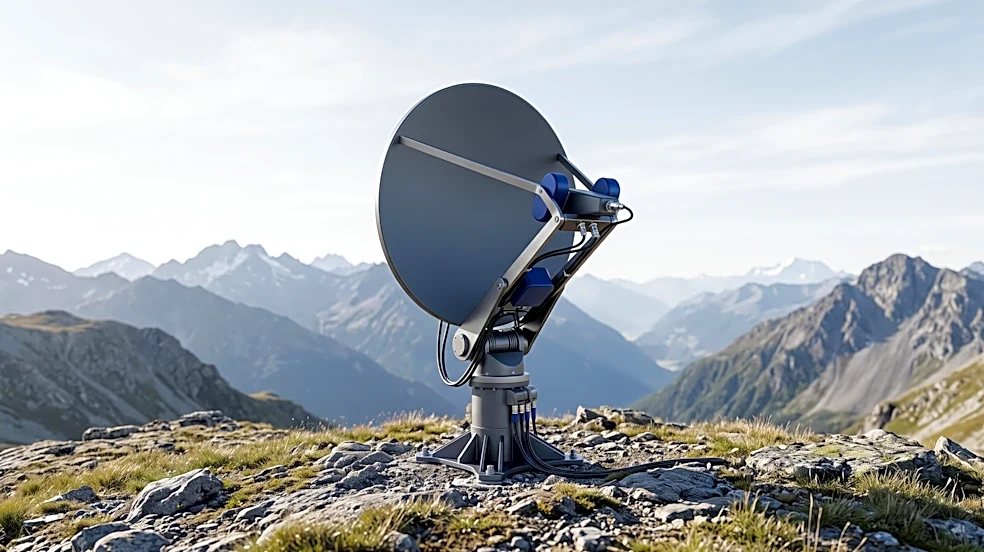
Raytheon has been chosen to modernize U.S. Space Force radar sites, which form the outermost layer of the nation’s missile-defense architecture. These strategic sensors are crucial for providing early warning of launches, characterizing objects, and tracking
activity in space. Under the Ground-Based Radar Digitization (GBRD) program, Raytheon will collaborate with the Space Force to upgrade long-serving systems. The modernization efforts aim to enhance overall performance, improve reliability, and support more advanced operational capabilities, ensuring these radars continue to provide critical ground-based early warning and space monitoring for decades. Sam Deneke, president of Air & Space Defense Systems at Raytheon, stated that digitizing these radar systems is essential for staying ahead of increasingly complex global threats and will enable faster deployment of new capabilities.
Why It's Important?
The modernization of these early warning radar systems is vital for national security, as they represent the first line of defense against missile threats and are critical for space domain awareness. By digitizing these systems, the U.S. Space Force can enhance its ability to detect and track objects, providing more accurate and timely information for decision-making. This upgrade will strengthen the nation's layered security architecture, making it more resilient against evolving threats. The adoption of a common open architecture, facilitated by Raytheon's solution, will improve sustainment efficiency, prevent vendor lock, and simplify future upgrades, ensuring long-term adaptability and cost-effectiveness. This initiative underscores the continuous need to update defense infrastructure to counter sophisticated global challenges.
What's Next?
Raytheon will implement its rapid development approach to create a foundational technical baseline for the GBRD portfolio, accelerating the delivery of new capabilities. The program will begin by delivering prototype solutions, which will then transition to rapid fielding for the remaining radar locations. Raytheon will work closely with the Space Force and other industry partners to establish a common open architecture. This collaborative effort aims to improve the efficiency of system sustainment, avoid dependence on a single vendor, and streamline future performance upgrades. Raytheon is also actively recruiting to support these critical military programs, seeking emerging talent, experienced professionals, and veterans to fill open roles.
Beyond the Headlines
This modernization effort reflects a broader strategic imperative within the U.S. defense establishment to integrate advanced digital technologies across all domains. The shift to digitized radar systems signifies a move towards more resilient, adaptable, and interconnected defense networks. By creating a common open architecture, the Space Force is not only enhancing current capabilities but also laying the groundwork for future innovations and interoperability with other defense systems. This approach fosters a more dynamic defense ecosystem, where new technologies can be integrated more seamlessly and rapidly. Furthermore, the emphasis on avoiding vendor lock promotes competition and innovation within the defense industry, ensuring that the Space Force has access to the best available technologies and expertise over the long term. This initiative is a critical step in maintaining U.S. leadership in space domain awareness and missile defense.