


What's Happening?
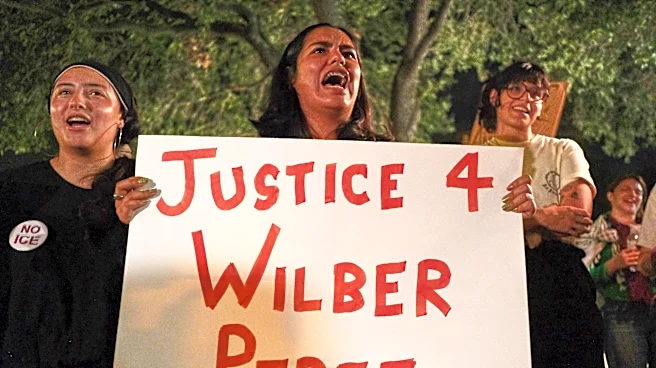
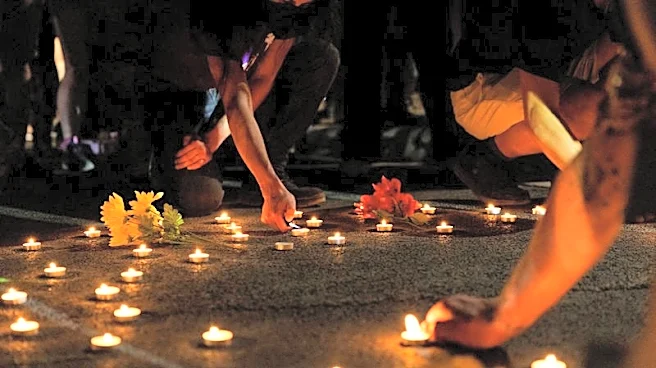
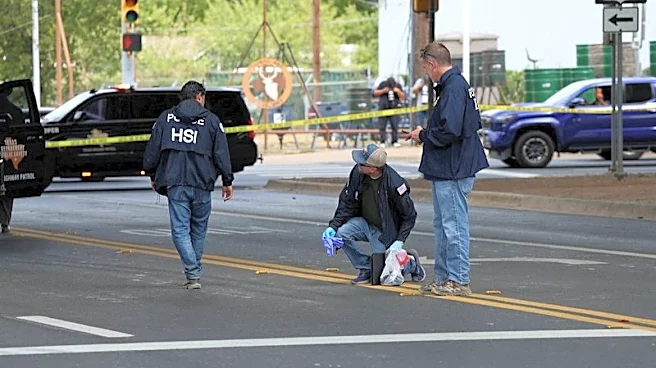
Families in Minneapolis are demanding answers and accountability following the deaths of Renee Good and Alex Pretti, who were shot and killed by federal agents during Operation Metro Surge in January. The emotional impact of these events was brought to
Capitol Hill, where loved ones testified before Congress. Renee Good, a mother of three, was killed by a federal immigration agent in south Minneapolis. Alex Pretti's final moments were captured on video by a witness, Stella Carlson, showing him being surrounded by federal agents. The families are calling for comprehensive investigations into these killings, emphasizing the need for action to prevent similar incidents and to ensure accountability for the harm caused to families and communities. Donna Ganger, Renee Good's mother, identified herself as a Republican who voted for President Trump and is now seeking answers from his administration regarding her daughter's death, stating that her family has not recovered from the loss.
Why It's Important?
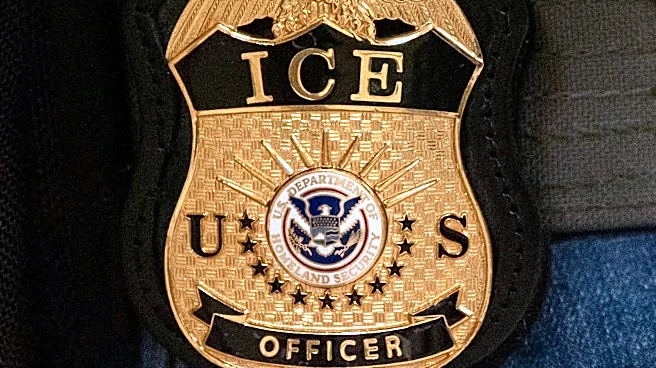
The demands for accountability from Minneapolis families highlight significant concerns regarding federal immigration enforcement operations and their impact on local communities. The deaths of Renee Good and Alex Pretti during Operation Metro Surge have sparked nationwide protests and raised questions about the use of force by federal agents. This situation underscores the tension between federal enforcement mandates and community safety, particularly in urban areas. The testimony before Congress by the affected families brings a personal and emotional dimension to the debate, potentially influencing legislative discussions on oversight and reform of federal agencies like ICE. The call for investigations and accountability reflects a broader public desire for transparency and justice, which could lead to policy changes aimed at preventing future tragedies and rebuilding trust between law enforcement and the communities they serve. The involvement of a President Trump voter among the grieving families also adds a bipartisan element to the calls for reform, suggesting a wider concern that transcends typical political divides.
What's Next?
The families of Renee Good and Alex Pretti are pushing for full investigations into the shootings by federal agents during Operation Metro Surge. Their testimony before Congress is a direct appeal for legislative action and oversight. This could lead to congressional hearings, increased scrutiny of federal immigration enforcement tactics, and potentially new legislation aimed at regulating such operations. Major stakeholders, including civil rights organizations and community advocates, are likely to continue supporting the families' demands for justice and reform. Federal agencies involved, such as ICE, may face internal reviews or external pressure to re-evaluate their protocols and training procedures. The ongoing public discourse and media attention surrounding these events could also influence public opinion and future policy decisions regarding immigration enforcement and the accountability of federal agents. The families' insistence on 'action' and 'accountability' suggests a sustained effort to ensure that their loved ones' deaths lead to meaningful change.
Beyond the Headlines
The tragic deaths of Renee Good and Alex Pretti during Operation Metro Surge expose deeper ethical and legal questions surrounding the scope and execution of federal immigration enforcement. The phrase 'no one is safe while ICE continues to terrorize us,' voiced by Brent Ganger, Renee Good's brother, points to a profound sense of vulnerability and fear within certain communities regarding federal agency actions. This sentiment challenges the traditional perception of law enforcement as protectors and instead casts them as potential threats. The incident also highlights the psychological and emotional toll on families and communities, extending beyond the immediate loss of life to long-term trauma and distrust. Ethically, the events prompt a re-evaluation of the balance between national security interests and individual civil liberties, particularly when federal operations lead to civilian casualties. Legally, the calls for investigations could set precedents for accountability mechanisms for federal agents operating within local jurisdictions, potentially leading to reforms in how such operations are planned, executed, and overseen.