


What's Happening?
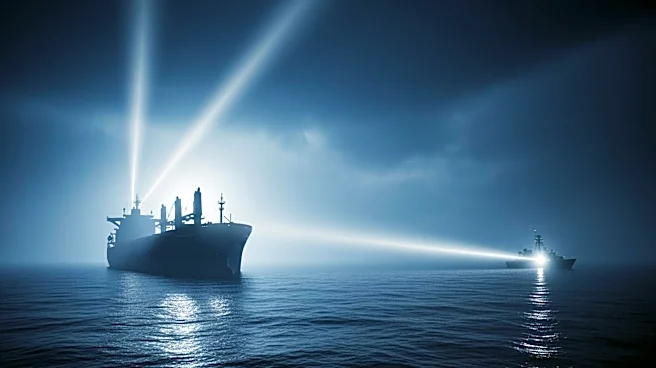
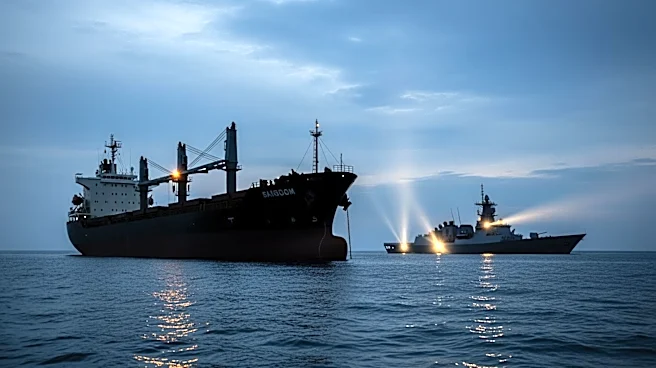
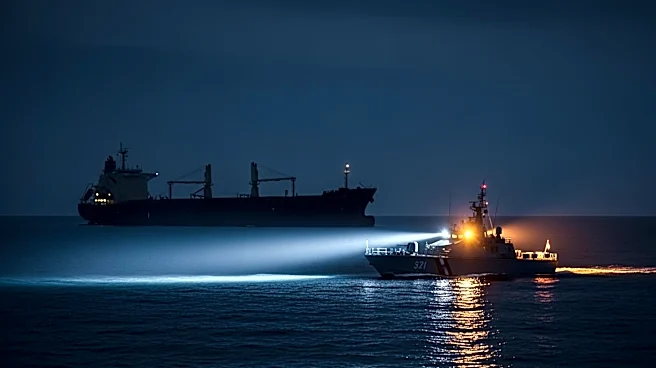
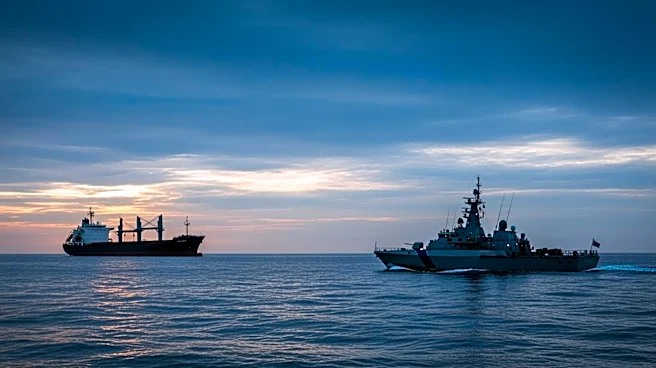
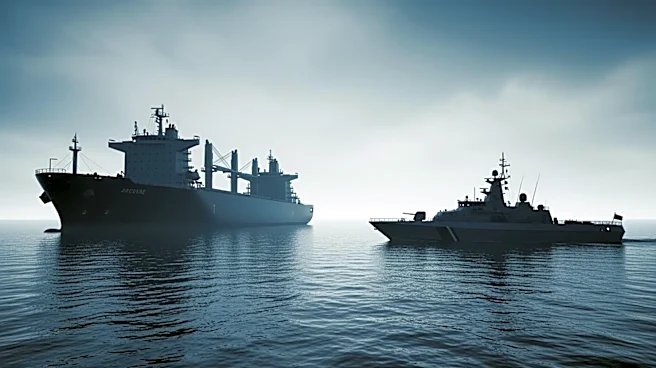
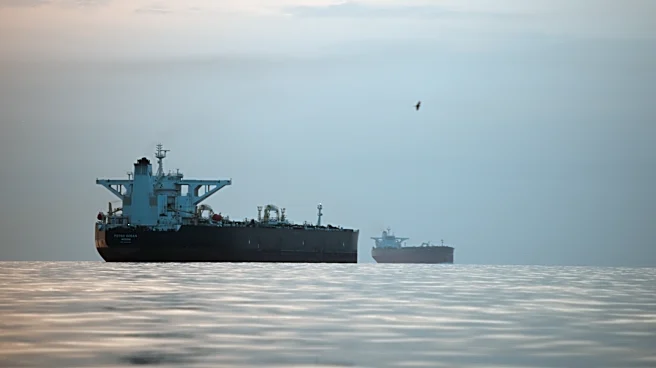
The United States has intensified its naval blockade on Iranian ports, targeting Iran's shadow fleet, a covert network of oil and cargo vessels designed to bypass international sanctions. This escalation follows the seizure of the Iranian cargo vessel TOUSKA
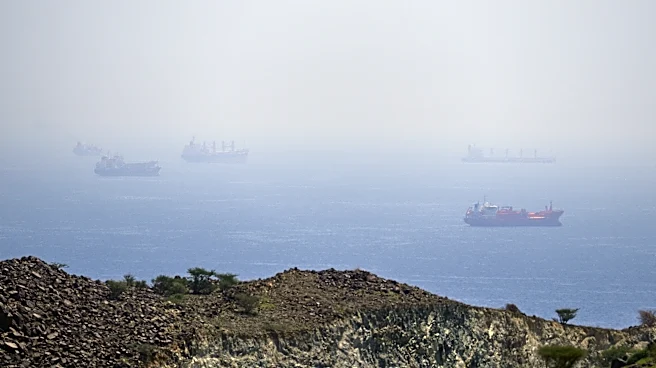
by U.S. forces, which was intercepted after ignoring restrictions on movement in and out of Iranian ports. The U.S. Central Command released footage of Marines boarding the vessel, highlighting a shift towards more direct enforcement. The blockade aims to disrupt Iran's maritime and energy exports, particularly through the Strait of Hormuz and the Gulf of Oman, to pressure Tehran into negotiations over regional maritime access and security. Iran has condemned the blockade as piracy and warned of potential retaliation, complicating ongoing diplomatic discussions.
Why It's Important?
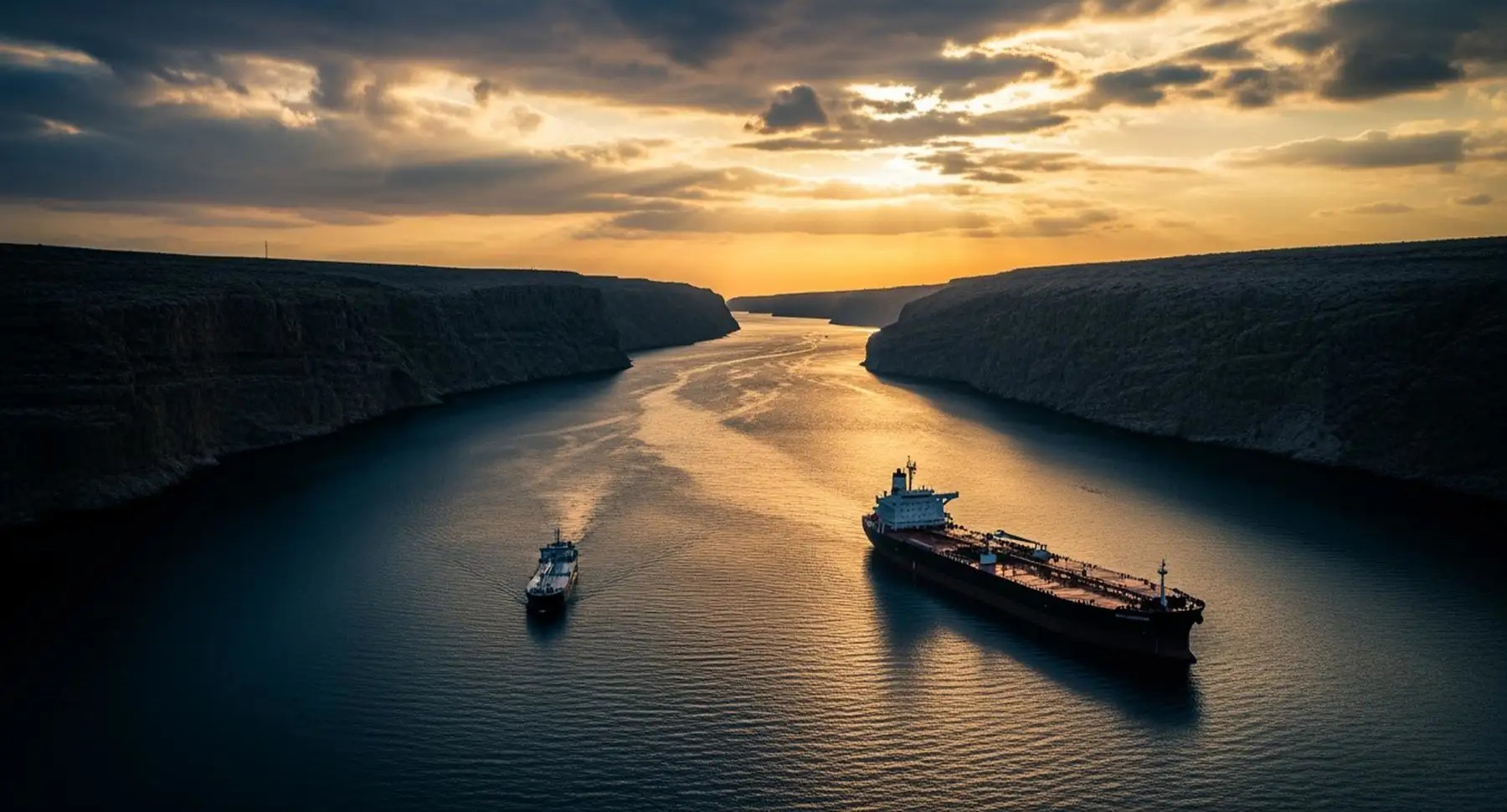
The U.S. blockade represents a significant escalation in efforts to curb Iran's ability to export oil and goods through its shadow fleet, which has been a critical component of Iran's strategy to circumvent sanctions. This move could have substantial implications for global shipping and energy markets, as the Strait of Hormuz is a vital corridor for oil transportation. The increased U.S. naval presence may deter some vessels from attempting to breach the blockade, potentially reducing Iran's oil exports and impacting its economy. However, the blockade also risks escalating tensions in the region, with Iran threatening retaliation, which could destabilize diplomatic efforts and lead to broader geopolitical conflicts.
What's Next?
The situation is likely to remain tense as both the U.S. and Iran navigate the implications of the blockade. The U.S. may continue to enhance its naval presence and interception capabilities, while Iran could seek alternative routes or methods to continue its exports. Diplomatic efforts may intensify as regional and international stakeholders attempt to mediate the situation. The potential for miscalculations or confrontations at sea remains high, which could lead to further escalation. Additionally, the legal and logistical challenges of enforcing the blockade, particularly concerning neutral-flagged vessels, will need to be addressed to maintain international support for the U.S. actions.
Beyond the Headlines
The blockade highlights the complex interplay between maritime security, international law, and geopolitical strategy. The shadow fleet's operations, often involving aging and poorly maintained vessels, pose significant environmental risks, including the potential for oil spills that could have catastrophic ecological impacts. The situation underscores the challenges of enforcing sanctions in a globalized economy where shipping networks are intricate and often opaque. The U.S. strategy may set a precedent for how maritime sanctions are enforced, influencing future international policy and security measures.