






What's Happening?
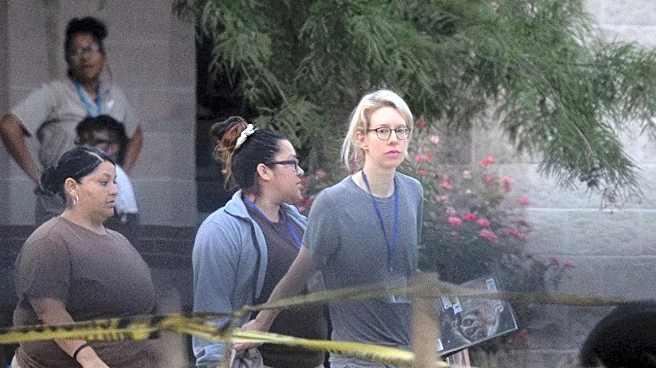
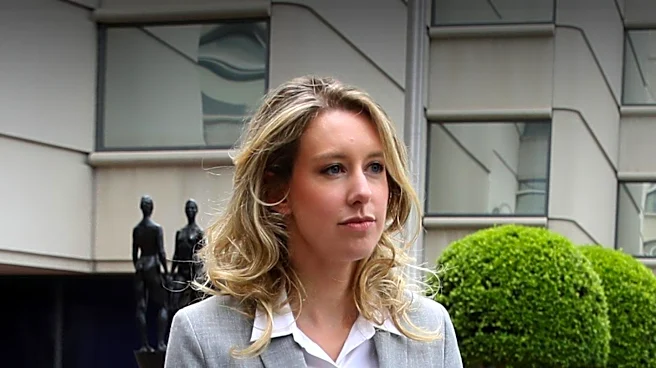
Elizabeth Holmes, the founder of Theranos, has posted a cryptic message on social media from prison, weeks before the release of the documentary 'You Can See Everything.' Holmes, who is serving an 11-year sentence for fraud, stated that posts marked with
'-EAH' are her own words, while others are from her social media team. In her message, she claimed to have been 'silenced for a long time' and is fighting to prove her innocence. She also mentioned her partner, Billy Evans, and their two children, expressing gratitude for the support she receives. Holmes was convicted in 2022 for wire fraud and conspiracy related to misleading investors about her blood-testing company. Recent reports indicate she will be moved to a halfway house in 2027. The upcoming documentary, directed by Nathan Fielder and Lance Oppenheim, offers a look into Holmes's life in the 34 days leading up to her incarceration and is set to be released on October 16.
Why It's Important?
This development is important as it reignites public discussion surrounding the Theranos scandal and Elizabeth Holmes's narrative. Her social media post, claiming to be 'silenced' and fighting for innocence, could influence public perception and potentially impact the reception of the upcoming documentary. The case of Theranos was a significant event in the U.S. business landscape, highlighting issues of corporate fraud, investor deception, and the pressures within the tech startup ecosystem. The documentary's release, coupled with Holmes's recent statements, could prompt renewed scrutiny of the legal proceedings and the broader implications for corporate accountability. For investors and the public, it serves as a reminder of the risks associated with unverified technological claims and the importance of due diligence. The ongoing narrative surrounding Holmes continues to shape discussions about ethics in innovation and the consequences of corporate misconduct.
What's Next?
The documentary 'You Can See Everything' is scheduled to hit theaters on October 16, which will likely bring renewed attention to Elizabeth Holmes's case and her perspective. Her social media activity, particularly posts marked with her initials, suggests a continued effort to influence public opinion and maintain a narrative of innocence. As she is slated to be moved to a halfway house in 2027, her legal team may continue to pursue avenues to challenge her conviction or seek early release. The release of the documentary could also lead to further media coverage and public debate about the Theranos saga, potentially impacting how the public views corporate fraud and the justice system's handling of such cases. Stakeholders, including legal experts, former Theranos employees, and the public, will be watching for any new revelations or shifts in the ongoing narrative.
Beyond the Headlines
Beyond the immediate news, Elizabeth Holmes's continued public statements from prison, particularly her claims of being 'silenced,' raise deeper questions about the nature of public perception, media narratives, and the justice system. Her ability to communicate with the outside world and attempt to shape her image, even while incarcerated, highlights the complexities of modern communication in high-profile legal cases. The Theranos scandal itself has become a cautionary tale, not just about financial fraud, but also about the cult of personality in Silicon Valley and the pressure to deliver groundbreaking innovations at any cost. The documentary's R-rating for 'language' and 'graphic nudity' also suggests a potentially raw and unfiltered portrayal, which could further complicate public understanding of Holmes's character and motivations. This ongoing narrative contributes to a broader societal conversation about accountability, redemption, and the power of storytelling in shaping public memory.