





What's Happening?
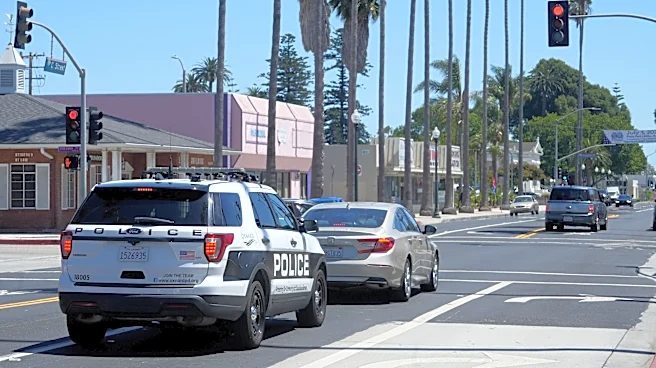
Two juveniles sustained injuries, one seriously, after the mini bike they were riding collided with a car in Derry, New Hampshire, on Monday afternoon. The incident occurred shortly after 4 p.m. at the intersection of Pingree Hill and Garvin roads. Both
children were transported to local hospitals by fire department personnel. One of the injured juveniles was subsequently airlifted to a Boston area hospital due to the severity of their injuries. The driver of the car involved in the collision remained at the scene and cooperated with authorities. Following the crash, Pingree Hill Road, between English Range Road and Overledge Drive, was temporarily closed to allow police to process the scene and conduct their initial investigation. The Derry police department has initiated an ongoing investigation into the circumstances surrounding the collision and is appealing to the public for any information related to the incident.
Why It's Important?
This incident highlights critical safety concerns associated with mini bike use, particularly among juveniles, and the potential for severe consequences when these vehicles interact with standard road traffic. The serious injury to one of the children underscores the vulnerability of mini bike riders, who often lack the protective features of larger vehicles and may not be as visible to other drivers. This event could prompt increased scrutiny and discussion regarding local regulations concerning mini bike operation on public roads, age restrictions, and the need for enhanced safety education for both young riders and motorists. For the community of Derry, New Hampshire, and potentially other similar towns, it may lead to calls for stricter enforcement of existing traffic laws or the implementation of new measures to prevent similar accidents, impacting local law enforcement priorities and community safety initiatives. The involvement of juveniles also brings to light parental responsibilities and the importance of supervising recreational vehicle use to ensure adherence to safety guidelines.
What's Next?
The Derry police department will continue its investigation into the collision, gathering further evidence and witness statements to determine the exact cause and any contributing factors. This investigation may lead to findings that influence local traffic safety policies or public awareness campaigns. Depending on the outcome, there could be discussions within the community and local government about implementing stricter regulations for mini bike usage on public roads, including potential age limits, mandatory safety gear, or designated riding areas. The condition of the seriously injured juvenile will be closely monitored, and their recovery process will be a significant concern for their family and the community. The incident may also prompt local schools or community organizations to offer educational programs on road safety for children and teenagers, emphasizing the dangers of operating recreational vehicles in traffic. Public response could include calls for increased police presence in areas known for mini bike activity or community meetings to address resident concerns about road safety.
Beyond the Headlines
This incident transcends a simple traffic accident, touching upon broader societal issues concerning youth safety, recreational vehicle regulations, and community planning. The allure of mini bikes for young people often clashes with the inherent dangers of operating them in environments shared with larger, faster vehicles. This raises questions about the balance between recreational freedom and public safety, particularly in suburban or rural areas where such vehicles might be more common. Furthermore, the incident could spark a re-evaluation of urban and suburban infrastructure, considering whether current road designs adequately accommodate diverse forms of transportation, including smaller, less visible vehicles. Ethically, it prompts reflection on the collective responsibility of parents, community leaders, and policymakers to create safer environments for children, ensuring that recreational activities do not inadvertently expose them to undue risks. The long-term implications could include a shift in how communities perceive and regulate youth-oriented recreational vehicles, potentially leading to more structured and supervised environments for their use.