
What's Happening?
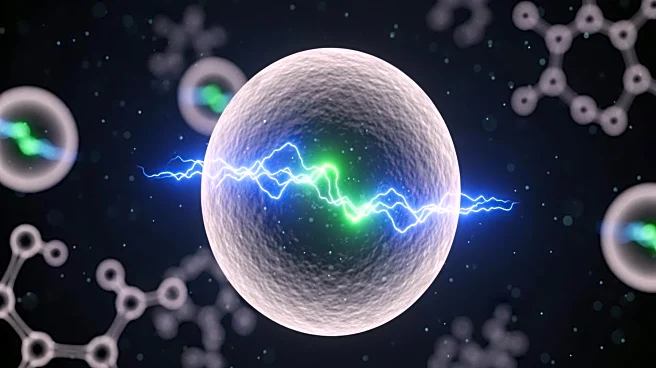
Researchers at Scripps Research have discovered that droplet-like structures known as condensates can act as 'tiny biological batteries' within cells, altering the electrical properties of cell membranes.
This finding reveals a new aspect of bioelectricity, which is crucial for many cellular processes such as nerve impulses and heartbeats. The study demonstrated that when electrically charged condensates interact with cell membranes, they can change the membrane's voltage, affecting the flow of electrical charge. This discovery could have significant implications for understanding and potentially treating diseases related to electrical activity in cells.
Why It's Important?
The discovery of condensates as regulators of cell membrane voltage introduces a new paradigm in bioelectricity, with potential implications for health and disease treatment. Many cellular processes are controlled by changes in membrane voltage, and understanding how condensates influence these changes could lead to new therapeutic strategies. This research could pave the way for advancements in treating conditions related to electrical dysregulation, such as neurological disorders and cardiac arrhythmias. Additionally, the study enhances our understanding of cellular function and the role of bioelectricity in biological systems.
What's Next?
Further research is needed to explore the precise mechanisms by which condensates alter cell membrane voltage and to assess the functional importance of these changes in cells and organisms. Scientists aim to determine whether the electrical changes induced by condensates have significant biological consequences. If confirmed, this could lead to new approaches in cell biology and the development of novel therapeutics targeting bioelectricity-related diseases.