




What's Happening?
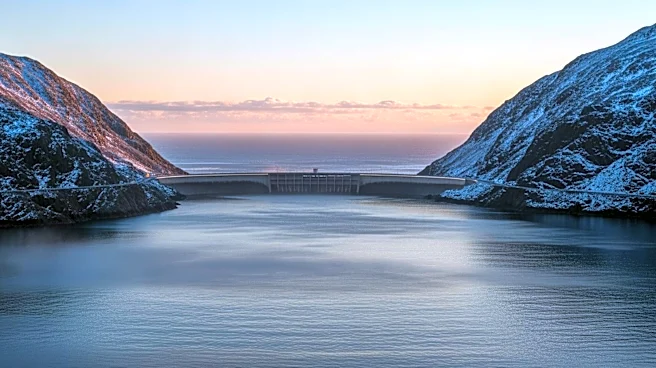
Researchers Jelle Soons and Henk Dijkstra from the University of Utrecht have proposed constructing a dam across the Bering Strait to prevent the collapse of the Atlantic Meridional Overturning Circulation (AMOC). The AMOC is a crucial ocean current system
that regulates climate by distributing warm and cool water across the globe. Its slowdown, attributed to global warming, poses a risk of plunging Europe into extreme cold and causing significant climate disruptions. The proposed dam aims to strengthen the AMOC by reducing freshwater inflow from the Arctic, which is believed to weaken the current.
Why It's Important?
The potential collapse of the AMOC could have catastrophic effects on global climate patterns, particularly in the Northern Hemisphere. A weakened AMOC could lead to severe winters in Europe, disrupt agricultural productivity, and cause sea levels to rise along the Atlantic coast. The proposal to build a dam is a controversial geoengineering solution that highlights the urgent need for climate intervention strategies. While it offers a potential method to stabilize the AMOC, it also underscores the broader challenges of addressing climate change and the complexities of implementing large-scale environmental modifications.
What's Next?
Before any construction can begin, further research and data collection are necessary to assess the feasibility and potential environmental impacts of the dam. The scientific community remains divided on the AMOC's future and the best methods to address its decline. If the dam proposal gains traction, it could lead to international discussions on climate intervention policies and the ethical implications of such large-scale projects. Meanwhile, efforts to mitigate climate change through reduced carbon emissions remain a priority to prevent further deterioration of global ocean currents.
Beyond the Headlines
The proposal to build a dam in the Bering Strait raises ethical and environmental concerns about human intervention in natural systems. The potential ecological impact on marine life and regional ecosystems must be carefully considered. Additionally, the geopolitical implications of constructing a dam in an international waterway could lead to diplomatic challenges. This situation highlights the need for global cooperation in addressing climate change and the importance of balancing technological solutions with sustainable practices.