





What's Happening?
During the U.S. Wild West era, from approximately 1865 to 1895, medical care was severely limited and often unreliable. As Americans expanded westward, communities faced a scarcity of qualified medical professionals; only about 25% of individuals claiming
to be doctors held a medical degree. This led to a prevalence of untested practices, folk medicine, and charlatanism, with many practitioners serving as both doctors and veterinarians. Epidemics such as cholera, diphtheria, and dysentery were rampant due to poor sanitation and crowded living conditions, causing more deaths than violence. The period also saw the rise of 'snake oil' salesmen, who peddled elixirs often containing alcohol and narcotics, making exaggerated claims of their curative powers. Notably, William D. Rockefeller Sr., father of John D. Rockefeller, was one such traveling salesman.
Why It's Important?
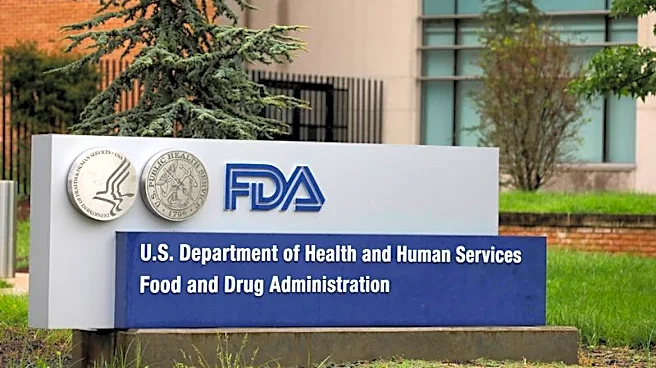
The state of frontier medicine in the Wild West highlights the critical importance of public health infrastructure and medical regulation. The widespread lack of qualified practitioners and the prevalence of 'snake oil' underscore the dangers of unregulated medical practices and the vulnerability of populations without access to legitimate healthcare. The devastating impact of epidemics due to poor sanitation emphasizes the fundamental role of hygiene and public health measures in preventing disease outbreaks. This historical context provides a stark contrast to modern medical standards and regulations, illustrating the progress made in public health and medical education. It also serves as a reminder of the ongoing need for accessible, evidence-based healthcare, particularly in underserved or rapidly developing regions.
What's Next?
While the Wild West era is long past, its medical challenges offer historical lessons relevant to contemporary public health discussions. The historical account of Dr. George Goodfellow, who gained renown for his sterilization techniques in treating gunshot wounds, foreshadows the eventual acceptance of germ theory and modern surgical practices. This progression underscores the continuous evolution of medical science and the importance of adopting evidence-based methods. Future public health initiatives and medical advancements will continue to build upon these foundational understandings, aiming to prevent the recurrence of widespread disease and medical misinformation. The historical narrative also informs ongoing efforts to ensure equitable access to qualified medical care, particularly in remote or underserved communities, drawing parallels to the challenges faced by frontier settlers.
Beyond the Headlines
The narrative of frontier medicine extends beyond mere medical practices, touching upon broader societal and economic implications. The rise of 'snake oil' and the involvement of figures like William D. Rockefeller Sr. illustrate the opportunistic nature of commerce in an unregulated environment, where the line between entrepreneurship and exploitation could be blurred. This historical context provides insight into the origins of consumer protection movements and the eventual need for government oversight in product claims, particularly in health-related industries. Furthermore, the high mortality rates from preventable diseases highlight the profound impact of social determinants of health, such as living conditions and access to clean water, on population well-being. This era serves as a powerful historical case study for understanding the complex interplay between health, economy, and societal development.