




What's Happening?
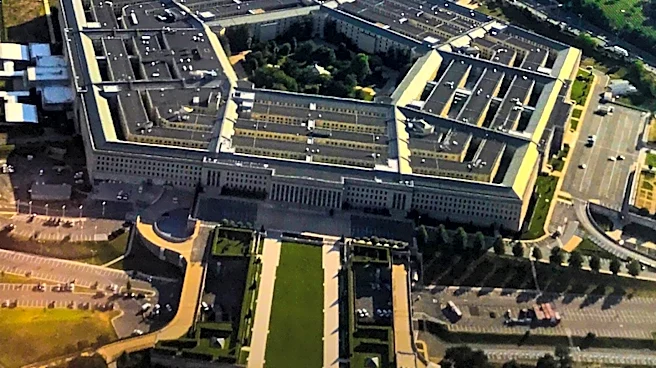
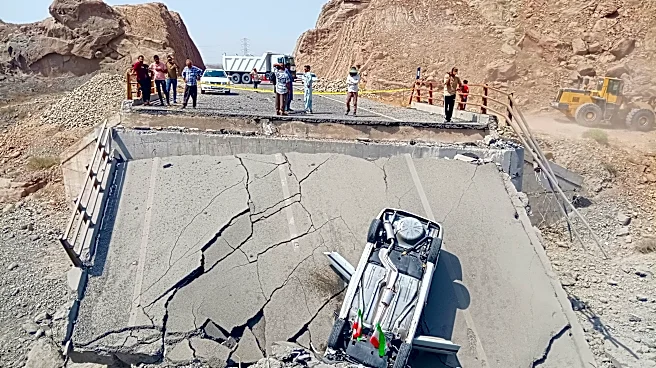
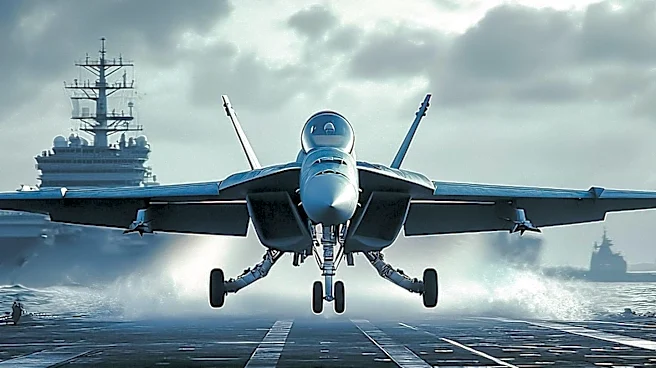
The U.S. military has conducted its 10th consecutive night of strikes targeting Iranian military infrastructure. These operations are part of ongoing efforts to counter Iranian influence and military capabilities in the region. The strikes are aimed at weakening
Iran's military infrastructure, which the U.S. perceives as a threat to regional stability and its allies. The continuation of these strikes indicates a sustained military strategy by the U.S. to address perceived threats from Iran.
Why It's Important?
The ongoing U.S. military operations against Iran have significant implications for regional security and international relations. These actions may exacerbate tensions between the U.S. and Iran, potentially leading to further military confrontations or diplomatic fallout. The strikes could impact U.S. relations with other countries in the region, as they navigate the complex dynamics of Middle Eastern geopolitics. Additionally, these operations may influence U.S. domestic politics, particularly regarding military spending and foreign policy priorities.
What's Next?
Continued military operations may lead to increased diplomatic efforts to de-escalate tensions between the U.S. and Iran. The international community may call for negotiations or peace talks to address the underlying issues driving the conflict. U.S. political leaders may face pressure to justify the ongoing military actions and their implications for regional stability and international relations.
Beyond the Headlines
The strikes highlight the broader geopolitical struggle between the U.S. and Iran, with implications for global security and diplomatic relations. The situation raises questions about the effectiveness of military strategies in achieving long-term peace and stability, and the potential for unintended consequences in the region.