

What's Happening?
General Gregory Guillot, the commander of U.S. Northern Command, testified before the Senate Armed Services Committee, stating that he has no intelligence indicating the presence of an 'enemy from within' the military. This statement contrasts with previous
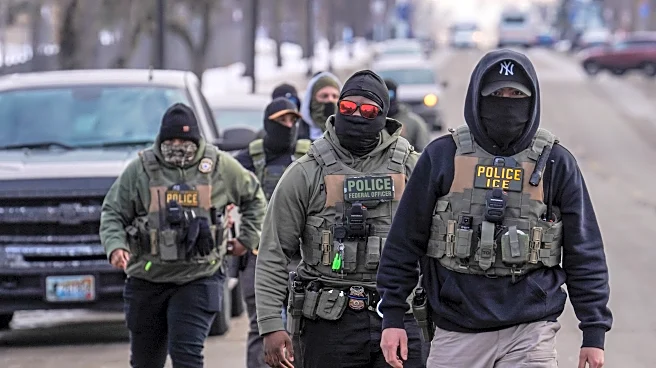
remarks made by President Trump, who suggested using National Guard deployments in cities like Los Angeles, Portland, and Chicago as training grounds against internal threats. Guillot clarified that he has not been tasked with any domestic military operations targeting such threats. The hearing also addressed the legality of recent National Guard deployments, with some being deemed illegal by federal courts.
Why It's Important?
The testimony highlights a significant divergence between military intelligence assessments and the administration's rhetoric regarding internal threats. The legality and purpose of National Guard deployments have become contentious issues, with implications for civil-military relations and the perception of military involvement in domestic affairs. The debate raises questions about the appropriate use of military resources and the potential impact on military readiness and public trust. The legal challenges to these deployments underscore the importance of adhering to constitutional and legal standards in military operations.
What's Next?
The administration may face continued legal challenges and scrutiny over the deployment of National Guard troops in U.S. cities. Lawmakers and legal experts are likely to examine the implications of these deployments on military readiness and civil liberties. The outcome of ongoing court cases could influence future policy decisions and the administration's approach to domestic security. Additionally, there may be increased calls for oversight and transparency in military operations within the United States.