





What's Happening?
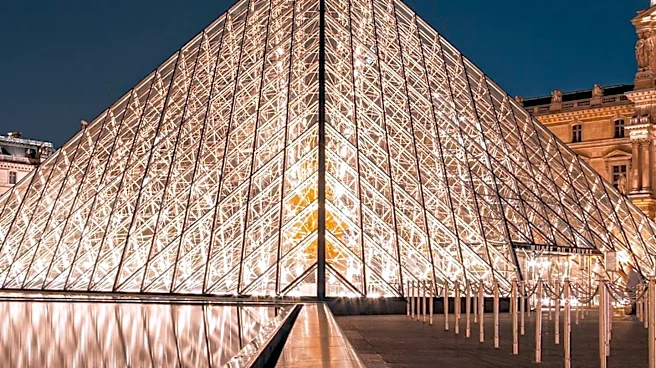
European museums, particularly smaller institutions, are experiencing a surge in thefts following last year's heist at the Louvre in Paris. This trend has been observed across France, Italy, and Spain. A recent incident at the Fondazione Magnani Rocca
museum resulted in the theft of artworks valued at €9 million. This string of thefts highlights a growing concern that criminals are increasingly targeting smaller museums, which often possess fewer resources to adequately protect their valuable collections. Research indicates that many cultural institutions lack sufficient security measures and emergency plans to counter such threats. Authorities are now implementing measures to enhance security, including investments in advanced technology and surveillance systems to deter future incidents and safeguard cultural heritage.
Why It's Important?
The increase in museum thefts across Europe carries significant implications for the preservation of cultural heritage and the art market. Stolen artworks, unlike gold or jewelry, are difficult to convert into quick cash, especially well-known pieces. Experts suggest that such art is more likely to be hidden, used as leverage in ransom demands, or sold privately through illicit channels. Even when stolen works are recovered, museums incur substantial costs related to investigations, recovery efforts, and necessary security upgrades. This situation also reignites debates surrounding art insurance policies and the financial burden on institutions. The vulnerability of smaller museums, often housing unique and irreplaceable collections, poses a long-term threat to public access and scholarly research of these cultural assets.
What's Next?
In response to the escalating thefts, European authorities are expected to continue bolstering security measures at museums, with a particular focus on smaller institutions. This may involve increased funding for advanced surveillance technology, improved alarm systems, and enhanced training for security personnel. There is also likely to be a renewed push for international cooperation among law enforcement agencies to track and recover stolen art, as well as to dismantle organized crime networks involved in art trafficking. Discussions around insurance coverage for cultural institutions are also anticipated to evolve, potentially leading to revised policies and increased premiums. Furthermore, museums may explore collaborative initiatives to share best practices in security and pool resources to better protect their collections against future threats.
Beyond the Headlines
The surge in museum thefts points to deeper issues beyond immediate security concerns. It highlights the persistent challenge of balancing public accessibility to art with the need for robust protection against criminal activity. The targeting of smaller museums suggests a strategic shift by criminals, exploiting perceived vulnerabilities in institutions with limited budgets and less sophisticated security infrastructure. This trend could lead to a re-evaluation of how cultural institutions are funded and supported, particularly in terms of security investments. Moreover, the difficulty in reselling stolen art openly underscores the existence of a clandestine market, raising questions about the ethics and legality of private art collections and the need for greater transparency in art transactions. The long-term impact could be a more restricted viewing experience for the public as museums become more fortified.