






What's Happening?
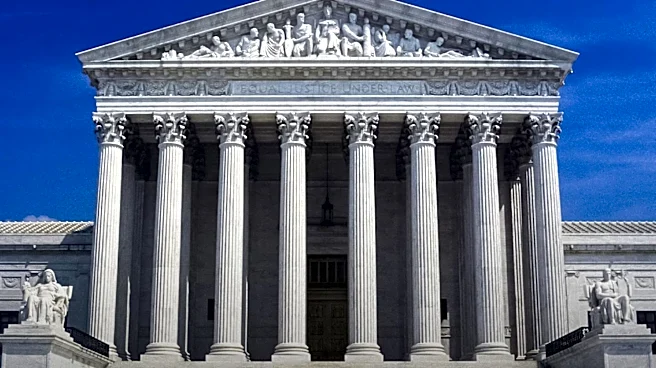
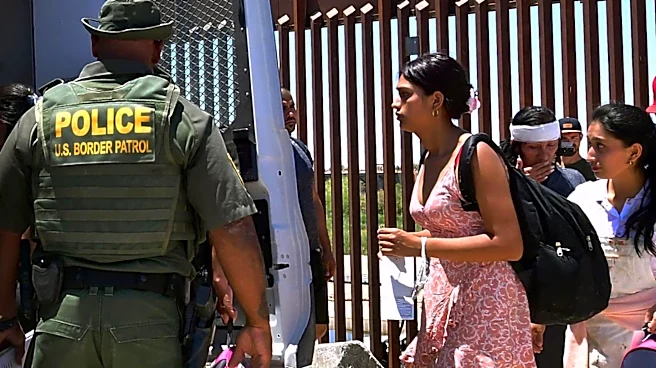
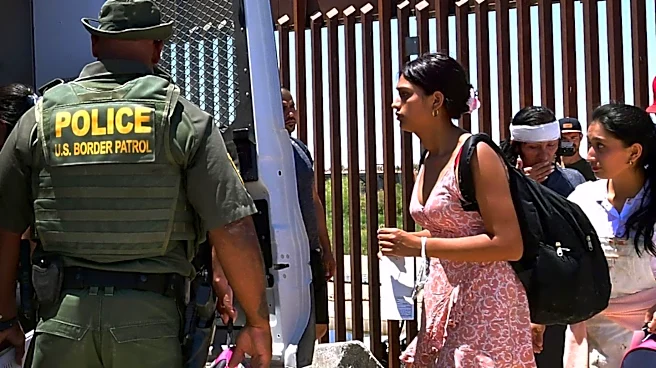
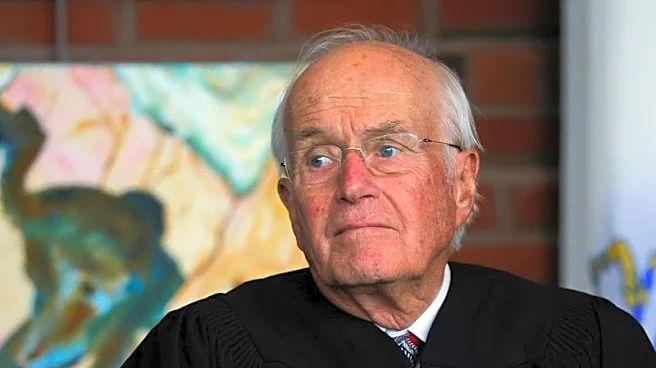
A United States federal judge has temporarily halted the Trump administration's plan to revoke work permits for tens of thousands of asylum seekers and immigrants with Temporary Protected Status (TPS). This decision prevents the implementation of a policy
that was set to take effect imminently. The ruling came after immigrant rights groups and labor unions challenged new policies by the US Citizenship and Immigration Services (USCIS), which were part of President Trump's tax and spending law, the One Big Beautiful Bill Act. The lawsuit argued that these changes were made without public input, violating legal requirements. The judge's order will remain in place while further legal proceedings continue, with a decision on a longer-term injunction expected by August 5.
Why It's Important?
The judge's decision is significant as it protects thousands of immigrants from losing their work authorization, which would have had severe economic and social impacts on their lives. The ruling underscores the ongoing legal battles over immigration policies under President Trump's administration, which has sought to end TPS protections for individuals from several countries. This temporary block provides relief to affected families, allowing them to continue working and supporting themselves while the legal challenge proceeds. The case highlights the tension between executive immigration policies and judicial oversight, with potential implications for future immigration reforms and the rights of immigrants in the U.S.
What's Next?
The legal proceedings will continue, with a decision on a longer-term injunction expected by August 5. The outcome of this case could influence future immigration policy and the administration's ability to implement similar measures. Stakeholders, including immigrant advocacy groups and labor unions, are likely to continue their efforts to challenge restrictive immigration policies. The Trump administration may seek to appeal the decision or adjust its approach to comply with legal requirements. The case could also prompt legislative discussions on immigration reform and the balance of power between the executive branch and the judiciary.