






What's Happening?
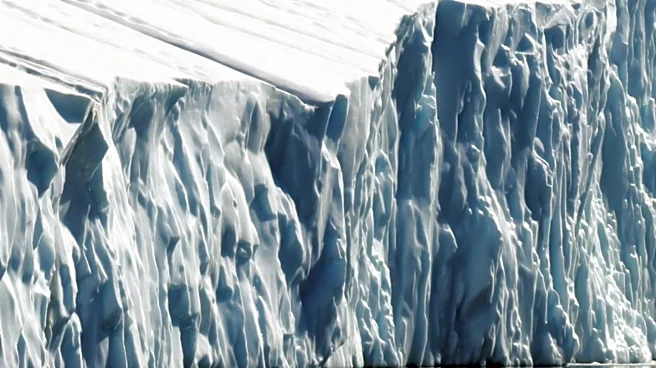
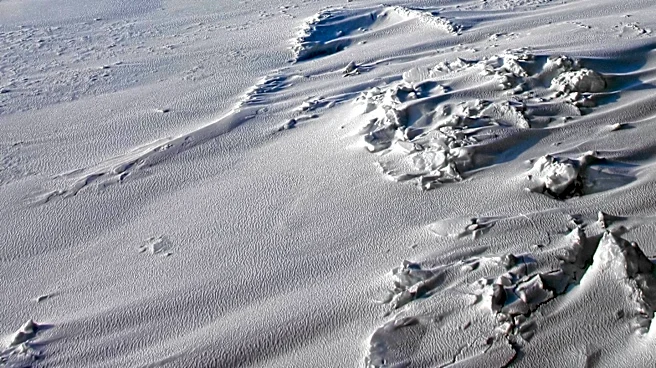
Antarctica, traditionally known for its icy landscape, is classified as the world's largest desert due to its extremely low annual precipitation. According to NASA, deserts are defined by their lack of moisture rather than temperature, receiving less
than 10 inches of precipitation annually. Antarctica receives only about 2 inches per year, making it one of the driest places on Earth. Despite its icy surface, the continent holds about 90% of the world's ice and 70% of its fresh water. This reclassification challenges common perceptions of deserts as hot, sandy regions.
Why It's Important?
This classification of Antarctica as a desert highlights the diverse nature of Earth's ecosystems and challenges traditional views of what constitutes a desert. Understanding Antarctica's unique environment is crucial for climate research, as it plays a significant role in global weather patterns and sea level regulation. The continent's vast ice reserves are critical for maintaining global water levels, and any changes due to climate conditions could have widespread implications. This knowledge is essential for scientists and policymakers working on climate change mitigation strategies.