







What's Happening?
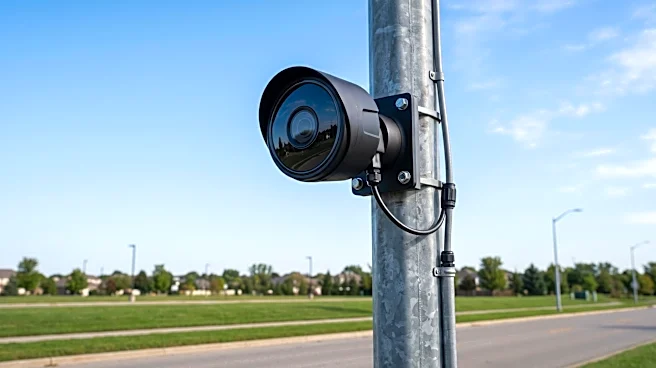
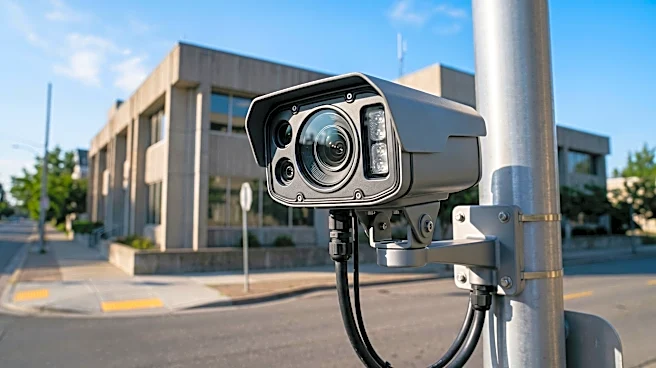
The Lowell City Council is facing an Open Meeting Law complaint filed by DeFlock Lowell regarding a reported executive session vote on October 6. This vote allegedly reinstated the city's Flock automatic license plate reader (ALPR) cameras, which had
previously been suspended by a 6-5 vote in open session on September 22. DeFlock Lowell asserts that the Council adjourned its October 6 executive session without returning to open session, and that the decision to reactivate the cameras was not publicly announced. The group is demanding that the Council make its decision public, release the minutes of the closed session, and publish the rules governing the cameras. Lowell Police Department data indicates that the cameras have been active since October 8, with 436 searches conducted between that date and October 30 for various reasons including arrest warrants and hit-and-run investigations. Mayor Erik Gitschier stated that while he cannot comment on executive sessions, residents have the right to file Open Meeting Law complaints if they believe procedures were violated.
Why It's Important?
This situation highlights ongoing tensions between governmental transparency and public safety measures involving surveillance technology. The Open Meeting Law complaint underscores citizens' demands for accountability and public discourse on decisions that impact privacy and civil liberties. The use of ALPR systems, while touted by law enforcement as crucial tools for crime deterrence and investigation, raises significant privacy concerns among advocacy groups. If the City Council's actions are found to have violated open meeting laws, it could erode public trust in local governance and set a precedent for how such sensitive technological deployments are handled in other municipalities. The debate also reflects a broader national discussion about the balance between security enhancements and individual rights, and the need for clear, publicly accessible policies governing data collection and sharing by police departments.
What's Next?
The Open Meeting Law complaint will be reviewed by the city solicitor, who will evaluate its validity based on legal statutes. Depending on the solicitor's findings, the City Council may be required to take further action, potentially including a public discussion or a vote to release the executive session minutes. Councilors have already discussed a motion for a public demonstration of the ALPR system by the Lowell Police Department, which passed unanimously. This demonstration aims to provide residents with more information on how the system operates and its internal safeguards. Additionally, Councilor Sean McDonough's amended motion to prepare the executive session minutes for review before the November 3 meeting, with a potential vote to release them, indicates a move towards greater transparency. The ongoing public debate and the legal review will likely shape future policies regarding the use and oversight of ALPR technology in Lowell.
Beyond the Headlines
The controversy surrounding Lowell's ALPR system extends beyond immediate legal compliance, touching upon fundamental questions of digital surveillance in a democratic society. The opacity of the decision-making process, as alleged by DeFlock Lowell, can foster public distrust and fuel concerns about a 'surveillance creep' where technology is deployed without adequate public input or oversight. This incident also highlights the challenge for local governments in balancing the perceived benefits of advanced policing tools with the imperative to protect citizen privacy and maintain transparency. The focus on Flock Safety specifically, as noted by Mayor Gitschier, also points to a broader issue: the increasing reliance on private technology vendors for public safety infrastructure and the need for robust public policy to govern these partnerships. The outcome in Lowell could influence how other communities approach the adoption and regulation of similar surveillance technologies, emphasizing the importance of clear guidelines and public engagement.