


What's Happening?
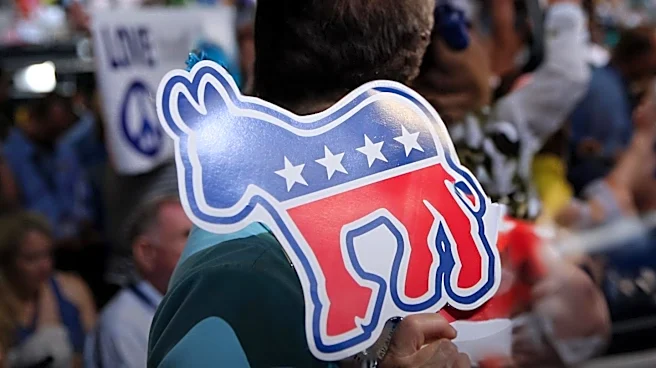
Michigan Attorney General Dana Nessel has issued a warning to the Democratic Party, stating that its embrace of far-left critics of Israel is alienating Jewish Democrats. Speaking on The David Frum Show, Nessel, who is Jewish, expressed concern that Jewish members
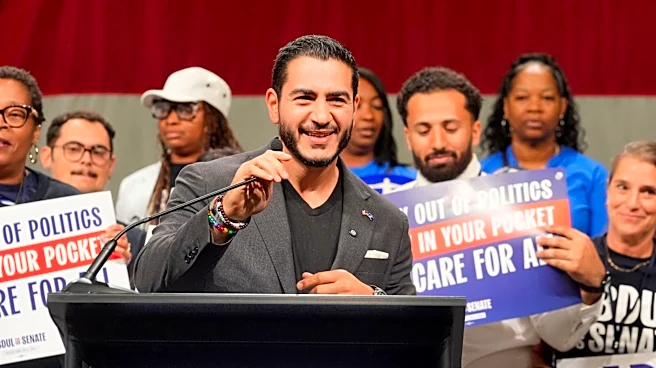
are being treated worse than other minority groups within the party amidst criticism of Israel's government and its actions in Gaza. She highlighted a perceived double standard, noting that while concerns from other minority groups about racist rhetoric are respected, Jewish Democrats' concerns about antisemitic language are often dismissed. Nessel found it "off-putting and offensive" that some within the party believe they, not the Jewish population, should define what constitutes antisemitism. She specifically criticized Michigan Senate candidate Abdul El-Sayed for frequently making Israel and AIPAC the "central villain" and for his comment "hurt people do hurt" following a synagogue attack, which she felt excused the perpetrator. El-Sayed has also faced criticism for campaigning with streamer Hasan Piker, who has been accused of antisemitism.
Why It's Important?
This development is significant as it highlights growing internal divisions within the Democratic Party, particularly concerning its stance on Israel and the treatment of Jewish members. The potential alienation of Jewish Democrats could have electoral consequences, especially in swing states like Michigan, where their votes are crucial. Nessel's remarks suggest a broader struggle within the party to balance progressive foreign policy views with the concerns of its diverse coalition. If Jewish Democrats feel marginalized, it could lead to decreased voter turnout or a shift in allegiance, impacting the party's ability to secure victories in competitive elections. The debate also underscores the challenge for the Democratic Party in navigating complex geopolitical issues while maintaining party unity and inclusivity. The criticism directed at figures like Abdul El-Sayed and his associations further complicates the party's image and its efforts to appeal to a broad base of voters.
What's Next?
The Democratic Party will likely face continued pressure to address the concerns raised by Attorney General Nessel and other Jewish Democrats. This could lead to internal discussions about party rhetoric, candidate endorsements, and strategies for engaging with diverse communities. Candidates like Abdul El-Sayed may need to refine their messaging or clarify their positions to mitigate further alienation of Jewish voters, especially as the Michigan Senate race is expected to be highly competitive. The party leadership might also seek to reaffirm its commitment to inclusivity and address perceptions of antisemitism within its ranks. The ongoing conflict in the Middle East will continue to be a sensitive topic, and how the Democratic Party navigates these discussions will be critical for maintaining unity and electoral viability. The issue could also influence fundraising efforts and grassroots support from different factions within the party.
Beyond the Headlines
The concerns raised by Attorney General Nessel point to a deeper ideological struggle within the Democratic Party regarding identity politics and intersectionality. The assertion that Jewish Democrats' experiences with antisemitism are not being taken as seriously as those of other minority groups suggests a hierarchy of victimhood or a selective application of progressive principles. This could lead to broader questions about how the party defines and addresses various forms of prejudice and discrimination. Furthermore, the debate touches upon the evolving relationship between American Jewish communities and the Democratic Party, traditionally a strong alliance that has seen some strain in recent years due to differing views on Israel. The situation also highlights the influence of social media figures and their potential impact on political discourse and candidate viability, as seen with the criticism surrounding Hasan Piker's association with El-Sayed. This internal conflict could reshape the Democratic Party's platform and its approach to coalition-building in the long term.