








What's Happening?
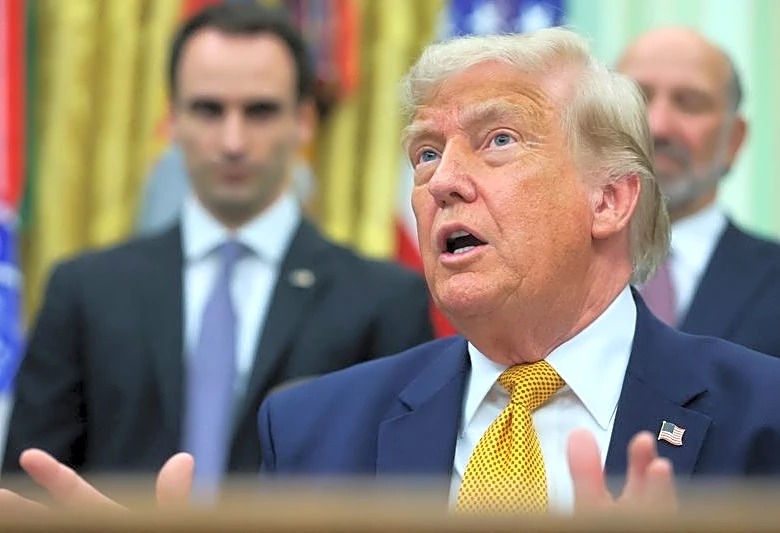
President Trump has accused The New York Times of 'treason' following its coverage of the Iran conflict, which questioned the achievements of the war. Trump criticized the newspaper on his Truth Social platform, claiming it used 'fake and made up facts'
to portray the situation negatively. He announced plans to include this in his ongoing multi-billion dollar lawsuit against the publication. The New York Times article in question suggested that despite the conflict, Iran remains a significant regional power, and the memorandum of understanding to end hostilities is under threat. The article also highlighted the economic and military impacts on Iran, contrasting with Trump's claims of U.S. success.
Why It's Important?
This development underscores the ongoing tension between President Trump and major media outlets, particularly those perceived as having liberal biases. The accusations of treason and the lawsuit reflect Trump's broader strategy of discrediting media narratives that challenge his administration's actions. This conflict could influence public perception of media credibility and the administration's foreign policy, particularly regarding Iran. The situation also highlights the polarized media landscape in the U.S., where differing narratives can significantly impact public opinion and political discourse.
What's Next?
The lawsuit against The New York Times is expected to continue, with potential implications for media freedom and the legal boundaries of defamation. The outcome could set precedents for how public figures engage with media criticism. Additionally, the situation in Iran remains volatile, with potential for further diplomatic or military developments. The U.S. administration's response to Iran's actions, particularly regarding the Strait of Hormuz, will be closely watched by international stakeholders.