




What's Happening?
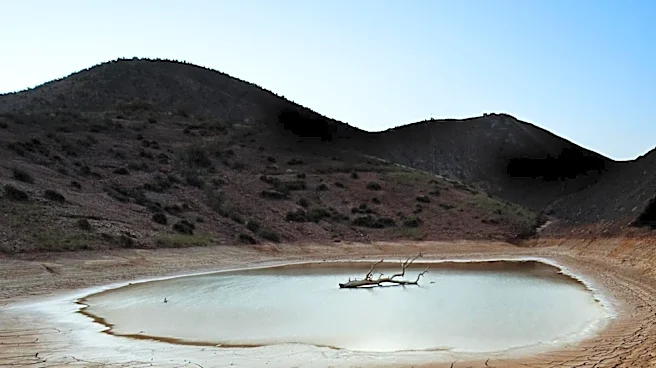
Conway Corp has initiated Phase 3 of its Emergency Water Curtailment Plan in Conway, Arkansas, due to Brewer Lake, the city's primary water source, remaining below normal levels. These new restrictions mandate that customers can only water their lawns
once a week, with specific days assigned based on street addresses: even-numbered addresses on Saturdays and odd-numbered addresses on Sundays. Customers are strongly encouraged to minimize irrigation even on their designated watering days. Additionally, while adding water to maintain existing swimming pool levels is permitted, filling an empty pool is now prohibited under Phase 3. Conway Corp CEO Bret Carroll expressed gratitude for customers' previous conservation efforts but emphasized the need for further reduction in water usage. The utility will continue to monitor Brewer Lake levels and urges customers to use water only when absolutely essential.
Why It's Important?
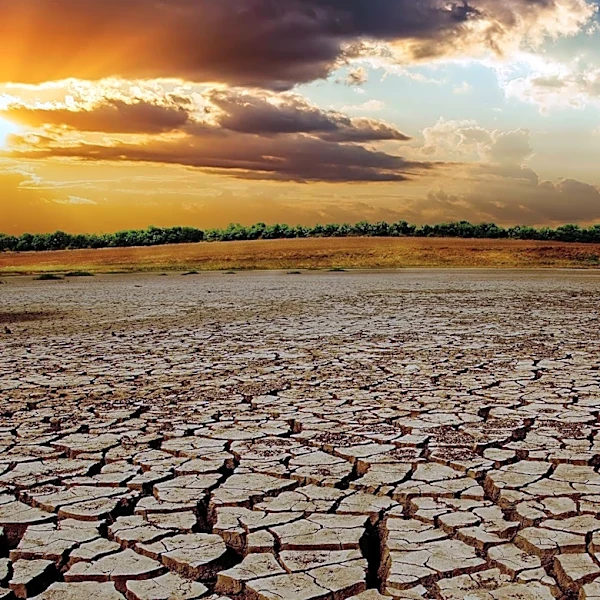
The implementation of Phase 3 water curtailment in Conway highlights the increasing vulnerability of municipal water supplies to environmental factors, particularly prolonged dry conditions. This situation directly impacts the daily lives of residents and local businesses, necessitating adjustments in water consumption habits. For industries reliant on water, such as landscaping or certain manufacturing processes, these restrictions could lead to operational challenges and increased costs. The measures underscore the critical importance of water conservation and sustainable water management practices for urban areas. It also serves as a reminder of the economic and social consequences when natural resources become scarce, potentially affecting property values, local commerce, and overall community well-being. The utility's actions reflect a proactive approach to managing a vital resource, aiming to prevent more severe shortages.
What's Next?
Conway Corp will continue to monitor Brewer Lake levels, and the duration of Phase 3 restrictions will depend on improvements in the water supply. Residents and businesses are expected to adhere to the new regulations, and non-compliance could lead to penalties, though the source does not specify them. The utility may consider further phases of water restrictions if conditions worsen, potentially impacting more aspects of daily life and commercial operations. This situation could also prompt discussions about long-term water infrastructure investments, alternative water sources, and more robust conservation programs to mitigate future risks. Public awareness campaigns and community engagement will likely continue to be crucial in ensuring compliance and fostering a culture of water stewardship.
Beyond the Headlines
The water curtailment in Conway points to a broader national challenge concerning water security and climate resilience. As climate patterns shift, many regions across the U.S. are experiencing more frequent and intense droughts, putting immense pressure on existing water infrastructure and management strategies. This local event reflects a systemic issue that requires comprehensive solutions, including technological advancements in water recycling and desalination, policy changes to incentivize water-efficient practices, and regional cooperation on water resource sharing. The ethical dimension of water access and equitable distribution also comes to the forefront during such crises, prompting questions about how communities prioritize water use and protect vulnerable populations. Ultimately, Conway's experience serves as a microcosm of the larger environmental and resource management challenges facing the nation.