



What's Happening?
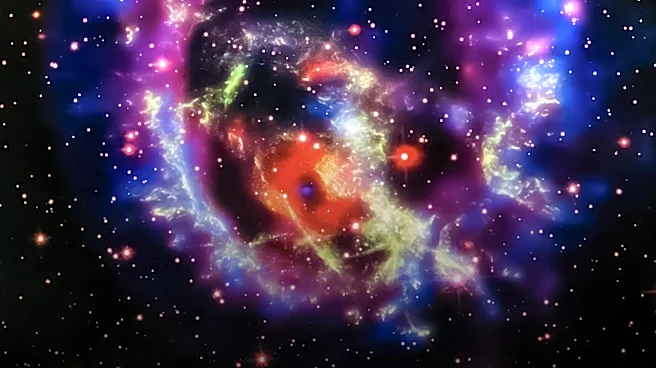
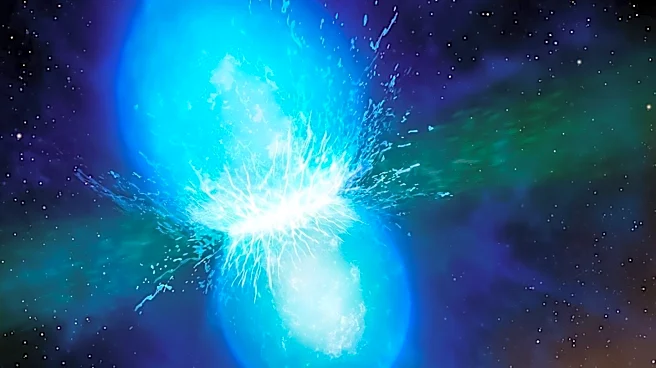
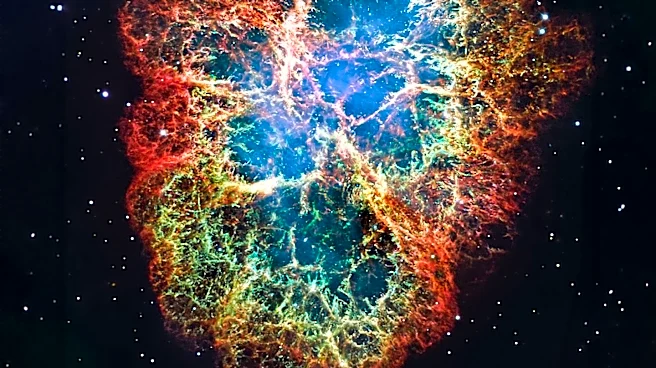
In 1572, Danish astronomer Tycho Brahe observed a supernova, a new star that appeared in the night sky, which was a significant event in the history of astronomy. This supernova, known as a Type Ia supernova, involved a white dwarf star accumulating material
from a neighboring star until it exploded. At the time, the prevailing belief was that the heavens were unchanging and perfect. However, Brahe's meticulous observations demonstrated that the celestial sphere was dynamic, challenging the existing cosmological views. His work laid the groundwork for future astronomers, including Johannes Kepler, who used Brahe's data to develop the laws of planetary motion, supporting the heliocentric model of the universe.
Why It's Important?
Tycho Brahe's observations of the supernova in 1572 were pivotal in shifting the scientific perspective from an Earth-centered to a Sun-centered cosmos. This event marked a significant departure from the mystical traditions that dominated astronomy at the time, moving towards a more empirical and observational approach. Brahe's work not only challenged the notion of an unchanging universe but also inspired the construction of more advanced observatories, enhancing the accuracy of astronomical measurements. The implications of his findings were profound, as they contributed to the scientific revolution and the eventual acceptance of the heliocentric model, fundamentally altering our understanding of the universe and our place within it.
What's Next?
The legacy of Tycho Brahe's observations continues to influence modern astronomy. His approach to meticulous data collection and empirical evidence set a standard for scientific inquiry that persists today. Future advancements in astronomy will likely build upon the foundation laid by Brahe and his successors, as new technologies and methods allow for even more precise observations of celestial phenomena. The continued exploration of supernovae and other cosmic events will further our understanding of the universe's dynamics, potentially leading to new discoveries about the origins and evolution of stars and galaxies.
Beyond the Headlines
The cultural and philosophical impact of Tycho Brahe's work extends beyond the realm of science. By challenging the established cosmological views of his time, Brahe's observations contributed to a broader shift in human thought, encouraging a move away from mystical explanations towards a more rational and evidence-based understanding of the natural world. This shift not only influenced the field of astronomy but also had wider implications for the development of scientific thought and the Enlightenment. The story of Brahe's supernova serves as a reminder of the power of observation and the importance of questioning established beliefs in the pursuit of knowledge.