






What's Happening?
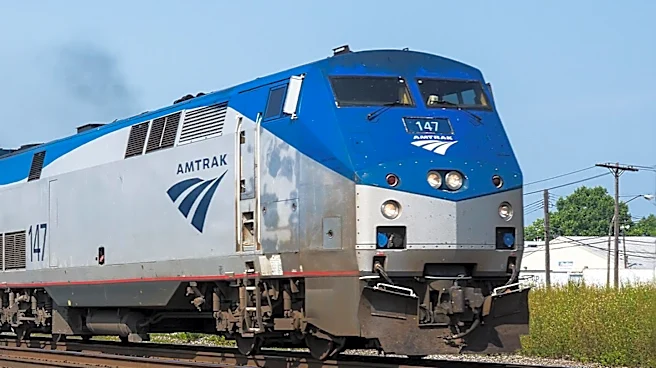
A new study released by the Federal Railroad Administration (FRA) concludes that a proposed Amtrak maintenance yard relocation to Bridgeport, Chicago, would have an "insignificant" impact on air pollution, noise, and vibration. However, residents and local
officials, including 11th Ward Ald. Nicole Lee, are expressing significant skepticism regarding these findings. The proposed relocation, supported by future White Sox owner Justin Ishbia, aims to free up space in the South Loop for a new White Sox stadium. Critics point out that the study was completed in just 11 days and omitted crucial factors like PM 2.5 particulate matter, a dangerous contaminant. Residents also highlight that the project involves repairing 17 viaducts, which would add to construction noise and dust, impacts not fully addressed in the report. Community pushback had previously led federal officials to commission a more detailed study after an initial review was deemed insufficient.
Why It's Important?
This situation highlights a significant conflict between urban development interests and community concerns over environmental justice and quality of life. The proposed relocation of a major industrial facility into a densely populated residential area raises critical questions about the fairness and thoroughness of environmental impact assessments. If residents' concerns about air quality, noise, and vibration are valid and not adequately addressed, the project could lead to adverse health outcomes for thousands of people, including children and seniors. The skepticism surrounding the study's rapid completion and omitted details erodes public trust in regulatory processes and decision-making, potentially leading to prolonged legal battles and community activism. This also sets a precedent for how future large-scale infrastructure projects are evaluated in urban settings.
What's Next?
Bridgeport residents will have an opportunity to voice their concerns at a public hearing scheduled for next month, where Amtrak and FRA officials are expected to be present. This hearing will be a critical forum for community members and local leaders to challenge the study's findings and demand further consideration of potential environmental and health impacts. Lawmakers, including Senators Tammy Duckworth and Dick Durbin, who previously pushed for a more detailed study, may continue to advocate on behalf of the residents. Depending on the outcome of the public hearing and ongoing community pressure, there could be demands for additional studies, modifications to the project plan, or even legal challenges to halt or alter the relocation.
Beyond the Headlines
The controversy surrounding the Amtrak yard relocation in Bridgeport delves into deeper issues of urban planning, environmental equity, and the influence of economic development on community well-being. The push to move the facility to accommodate a new sports stadium underscores how large-scale commercial interests can sometimes override local residents' concerns, particularly in historically industrial or working-class neighborhoods. The debate over the adequacy of environmental impact studies also highlights a broader national discussion about regulatory oversight and the need for independent, comprehensive assessments that genuinely reflect community health risks. This case could become a benchmark for how cities balance economic growth with the protection of their residents' health and environment, potentially influencing future policies on industrial relocation and urban development projects across the U.S.