

What's Happening?
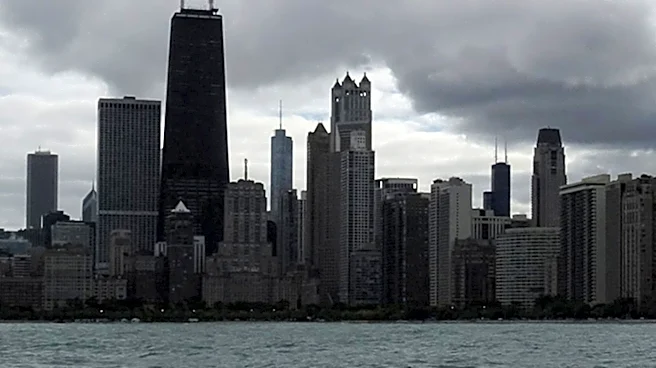
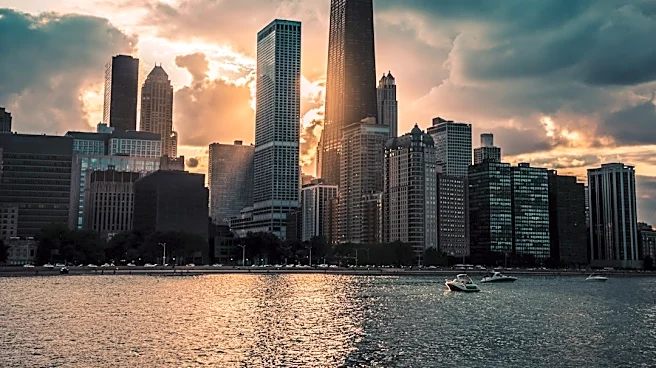
Chicagoland is preparing for an unseasonably warm Election Day, with temperatures expected to reach the low 70s, nearing the city's warmest Election Day record of 75 degrees set in 1987. This mild weather will be accompanied by scattered rain and gusty
southerly winds, potentially reaching or exceeding 30 miles per hour at times. Rain chances will be low in the morning but will increase as the day progresses. Extensive cloud coverage is also anticipated, consistent with November's reputation as one of Chicago's cloudiest months. A low-pressure system and a cold front to the west are driving this warm, southerly flow from the Gulf into Chicago, contributing to the unusual warmth.
Why It's Important?
The unseasonably mild Election Day in Chicagoland could have several implications. The comfortable temperatures might encourage higher voter turnout, as pleasant weather often removes a potential barrier for citizens to cast their ballots. However, the accompanying gusty winds and scattered rain could pose challenges for outdoor activities, including campaigning or waiting in lines at polling places. For local businesses, the warmer weather might extend the season for outdoor dining or other weather-dependent services, while the wind and rain could deter some consumers. The unusual warmth also contributes to broader discussions about climate patterns and their impact on daily life and civic engagement, highlighting how weather can subtly influence significant events like elections.
What's Next?
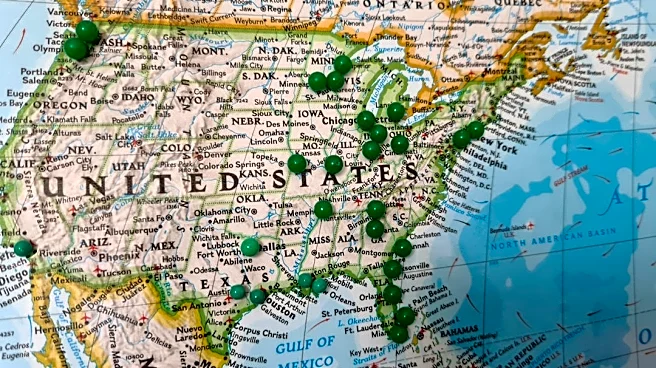
Following Election Day, temperatures in Chicagoland are expected to drop to more seasonal levels for the remainder of the work week and into the upcoming weekend. Despite this cooling trend, conditions are projected to remain pleasant for early November. Rain chances will be highest through Wednesday, then decrease later in the week. While no heavy rainfall is expected, showery spells will be intermittent. The forecast indicates a cooling trend after Tuesday's warmth, with highs returning closer to seasonal norms. However, the overall average temperature regime for the next two weeks, from November 2 to November 17, is predicted to remain above normal, extending across the Upper Midwest, Great Lakes, Ohio Valley, and Northeast, influenced by an El Niño pattern.
Beyond the Headlines
The mild Election Day weather in Chicagoland, while seemingly a minor detail, can subtly influence the democratic process. Beyond potential voter turnout, the comfort level of the day can affect the mood and energy of both voters and election workers. The unseasonable warmth also serves as a localized example of broader climate shifts, prompting reflection on how such changes might impact future civic events and daily life. This event could spark conversations about the resilience of urban infrastructure to changing weather patterns and the need for adaptable public services. It underscores the interconnectedness of environmental conditions with social and political activities, highlighting how even seemingly small weather anomalies can have ripple effects across a community.