






What's Happening?
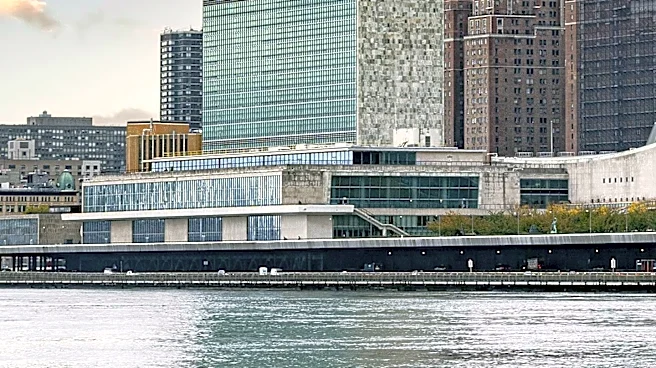
The United Nations is undergoing significant changes through the UN80 initiative, aimed at reviewing mandates and reducing costs due to financial challenges, primarily from the United States' arrears. As the U.S. becomes a less reliable funder, there
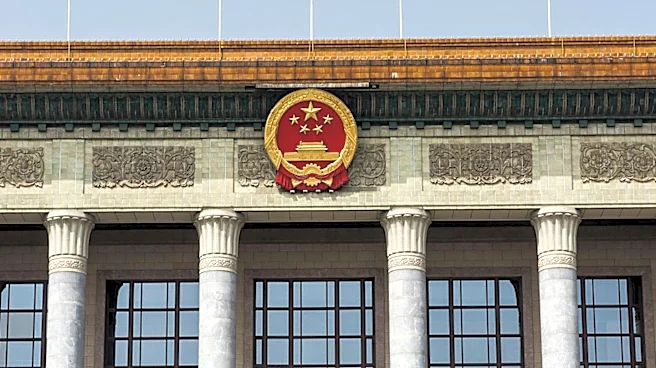
is speculation that China might fill the gap. China has increased its contributions and representation in international organizations, becoming the second-largest contributor to the U.N. regular and peacekeeping budgets. However, China's engagement is selective, focusing on areas that align with its policy priorities, and it has shown little willingness to assume the open-ended responsibilities historically held by the U.S.
Why It's Important?
China's growing influence at the U.N. reflects its ambition to play a larger role in global governance. However, its selective engagement and limited voluntary funding suggest that it is not seeking to replace the U.S. as the primary leader. This cautious approach allows China to gain influence without fully committing to the responsibilities of international leadership. The U.S. financial retreat creates opportunities for China, but also risks leaving gaps in the U.N.'s operations, potentially affecting its ability to address global challenges effectively.
Beyond the Headlines
China's approach to the U.N. highlights the complexities of international diplomacy and the balance between influence and responsibility. While China positions itself as a defender of multilateralism, its actions are constrained by domestic priorities and a desire to maintain its identity as a developing country. This dynamic underscores the challenges of achieving effective global governance in a multipolar world, where major powers have differing priorities and levels of commitment.