







What's Happening?
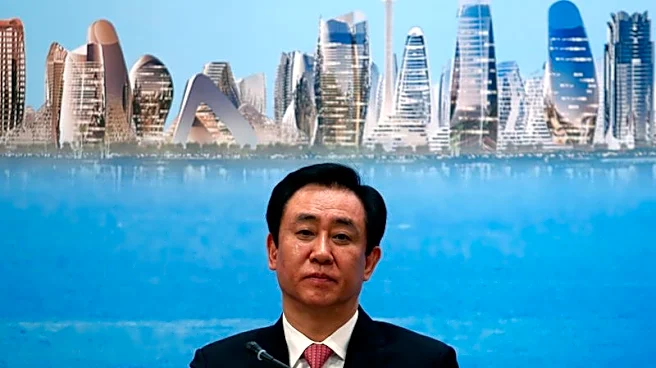
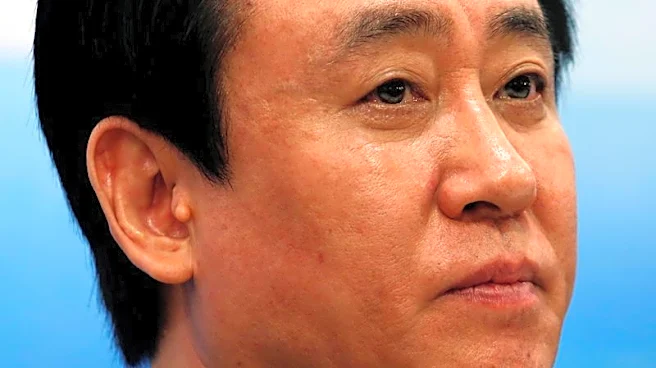
Hui Ka Yan, the founder of China Evergrande, has pleaded guilty to multiple charges, including fraud, bribery, and illegal absorption of public deposits. The charges were brought against him following his detention in September 2023. The Shenzhen Intermediate
People's Court reported that Hui expressed remorse during his trial, which took place over two days. Evergrande, once the world's most indebted real estate developer, faced a liquidation order in 2024 due to its inability to manage over $300 billion in liabilities. The company's financial troubles were exacerbated by a regulatory crackdown on excessive borrowing in China's property sector, leading to a broader economic impact.
Why It's Important?
Hui's guilty plea marks a significant development in the ongoing crisis within China's real estate sector, which has had far-reaching effects on the global economy. Evergrande's financial collapse has been a major factor in the downturn of China's property market, affecting investors, creditors, and the broader financial system. The case highlights the risks associated with high levels of corporate debt and the potential consequences of regulatory interventions. As one of the most high-profile cases in China's crackdown on corporate malfeasance, it underscores the Chinese government's commitment to addressing financial misconduct and stabilizing the economy.
What's Next?
The court is expected to deliver a judgment at a later date, which could include significant penalties for Hui and further actions against Evergrande. The outcome of this case may influence future regulatory policies in China and impact investor confidence in the country's real estate market. International stakeholders, including U.S. investors with interests in Chinese markets, will be closely monitoring the situation for any signs of economic ripple effects. The case may also prompt other countries to reassess their regulatory frameworks for corporate governance and financial transparency.