






What's Happening?
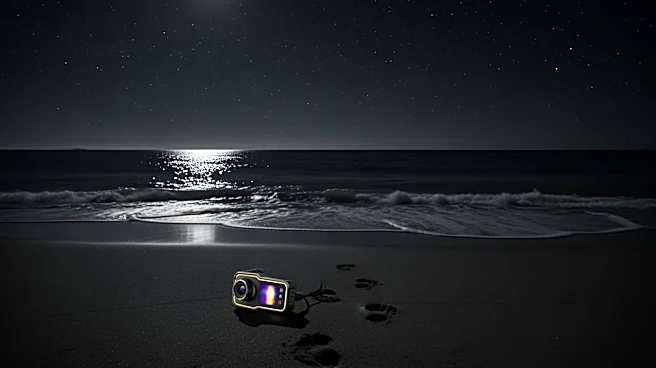
U.S. investigators are planning to relaunch a search in the Bahamas for Lynette Hooker, a Michigan woman who disappeared in April. This decision follows the discovery of GPS data from Brian Hooker's electronic devices that contradicts his account of the night
his wife vanished. The data suggests new areas in the Sea of Abaco where divers should search for evidence. The Coast Guard has requested permission from Bahamian authorities to conduct the search, as the vessel involved is U.S.-flagged. The investigation is ongoing, with the FBI processing evidence and the Coast Guard seizing the couple's sailboat for further examination.
Why It's Important?
The new search efforts are crucial in resolving the mystery surrounding Lynette Hooker's disappearance and ensuring justice is served. The case highlights the importance of technology in modern investigations, as GPS data has provided new leads that could be pivotal in finding evidence or Lynette Hooker's body. The investigation's outcome could have broader implications for international maritime law and cooperation between countries in search and rescue operations. It also underscores the need for transparency and accuracy in reporting incidents at sea.
What's Next?
Pending approval from Bahamian authorities, the Coast Guard will deploy divers to the newly identified search areas. The investigation will continue to focus on analyzing the GPS data and other forensic evidence to determine the events leading to Lynette Hooker's disappearance. The case remains open, and further developments are expected as more information becomes available. The outcome of this investigation could influence future protocols for handling similar cases and highlight the importance of international cooperation in maritime safety.