








What's Happening?
ComEd, a major energy provider in Chicago, has issued an urgent call for energy conservation as the city experiences extreme heat conditions. On July 1, 2026, the company alerted 78,000 customers across Chicago's Southwest Side and western suburbs to reduce
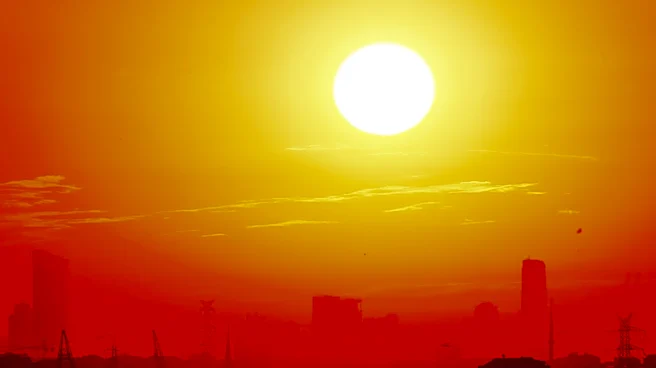
power usage immediately. The National Weather Service reported that the heat index could exceed 100 degrees, with actual temperatures reaching up to 96 degrees. This heat wave has prompted an extreme heat warning in the Chicagoland area, expected to last until midnight on Friday. The high temperatures have put significant strain on the power grid, leading to concerns about potential outages. ComEd has advised residents to take measures such as raising thermostats, closing window shades, and delaying the use of major appliances to help alleviate the pressure on the grid.
Why It's Important?
The extreme heat and subsequent strain on the power grid highlight the vulnerabilities of urban infrastructure in the face of climate-related challenges. As temperatures rise, the demand for electricity surges, increasing the risk of outages that can disrupt daily life and economic activities. This situation underscores the need for robust energy management strategies and infrastructure resilience to cope with climate extremes. The call for energy conservation is crucial not only to prevent outages but also to ensure the safety and comfort of residents, particularly vulnerable populations who may be more affected by heat-related health issues. The situation also serves as a reminder of the broader impacts of climate change on urban environments and the importance of sustainable energy practices.
What's Next?
As the heat wave continues, ComEd and local authorities will likely monitor the situation closely to manage the power grid's stability. Residents may need to continue energy-saving practices until temperatures drop and the grid stabilizes. The forecasted rain over the weekend could provide some relief, but the potential for further heat waves remains a concern. In the long term, this event may prompt discussions on enhancing grid infrastructure and implementing more sustainable energy solutions to better handle extreme weather conditions. Additionally, transportation officials will need to address road safety issues caused by heat-induced pavement failures, ensuring that emergency repairs are conducted efficiently to maintain safe driving conditions.