





What's Happening?
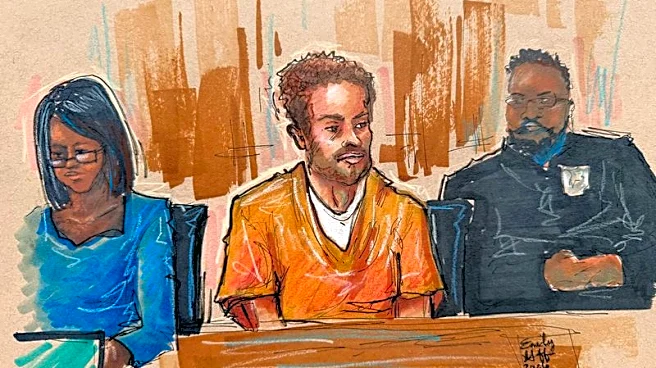
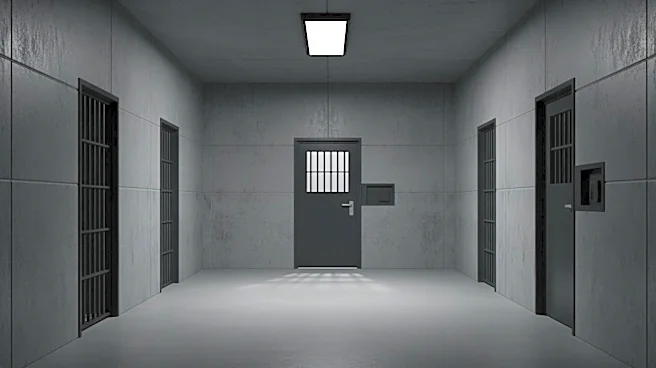
A federal judge has expressed concerns over the treatment of Cole Tomas Allen, who is accused of attempting to assassinate President Trump. During a hearing, Magistrate Judge Zia M. Faruqui apologized to Allen for the conditions he has faced in jail,
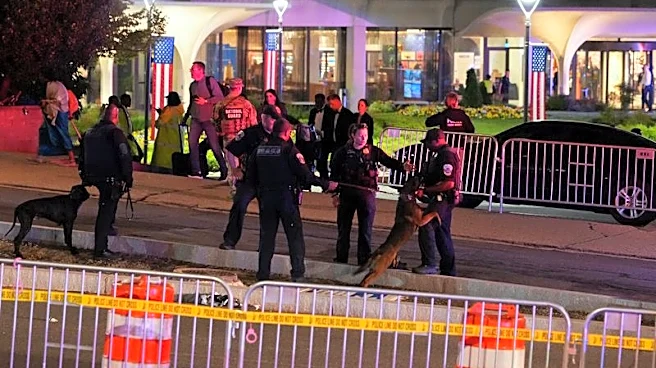
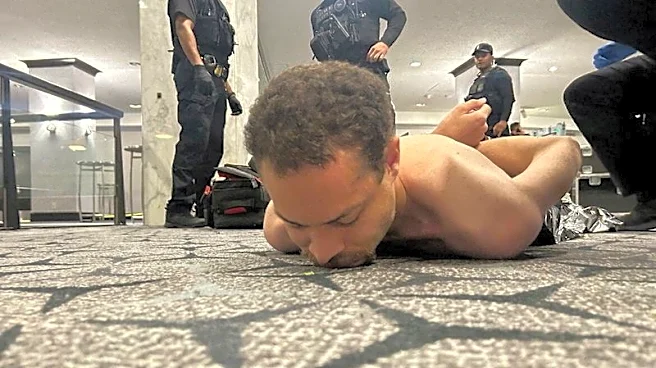
which include solitary confinement and being denied access to a Bible. Allen, who was arrested after allegedly firing a shotgun at the White House Correspondents' Association dinner, is being held without bail. His lawyers have raised issues about his confinement, stating that he has been kept under excessive restrictions despite being cleared of suicide risk. The judge has ordered the DC Department of Corrections to provide an update on Allen's housing situation and has compared his treatment unfavorably to that of defendants involved in the January 6 Capitol attack.
Why It's Important?
The treatment of Cole Tomas Allen in jail raises significant concerns about the conditions of pretrial detention, especially for individuals accused of politically charged crimes. The judge's comparison to the January 6 defendants highlights potential inconsistencies in how the justice system handles different cases of alleged political violence. This situation underscores the ongoing debate about the balance between ensuring security and upholding the rights and dignity of detainees. The outcome of Allen's case could have implications for how similar cases are managed in the future, potentially influencing public policy and legal standards regarding pretrial detention conditions.
What's Next?
Allen's next court appearance is a preliminary hearing scheduled for May 11, where prosecutors will present evidence to support the charges against him. The outcome of this hearing will determine whether the case proceeds to trial. Meanwhile, the DC Department of Corrections is expected to reassess Allen's confinement conditions, as ordered by the judge. The case continues to draw attention, and any changes in Allen's treatment or legal proceedings could prompt reactions from political leaders, civil rights groups, and the public.