


What's Happening?
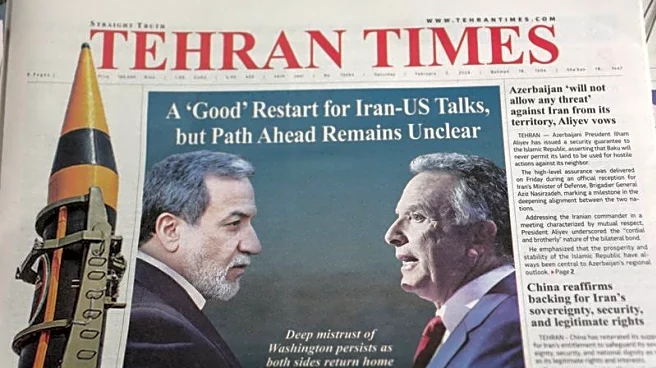
Israeli Prime Minister Benjamin Netanyahu has expressed skepticism regarding a potential future deal between the United States and Iran. Speaking at a conference in Jerusalem, Netanyahu voiced concerns to President Trump about Iran's reliability, accusing
Tehran of deceit. He outlined essential components for any deal, including the removal of enriched uranium from Iran, dismantling of enrichment infrastructure, limiting Iran's ballistic missile range, and disbanding Iran's proxy networks in the Middle East. Netanyahu also discussed the implementation of Trump's peace plan in Gaza, emphasizing the need to disarm Hamas and ensure regional security.
Why It's Important?
Netanyahu's skepticism highlights the complexities and challenges in negotiating a nuclear deal with Iran, a key issue in Middle Eastern geopolitics. The potential deal's implications for regional security are significant, as it could alter the balance of power and influence in the Middle East. Israel's security concerns, particularly regarding Iran's nuclear capabilities and proxy networks, underscore the stakes involved for both regional and global stability. The outcome of these negotiations could impact U.S.-Israel relations and influence broader international diplomatic efforts to address nuclear proliferation and terrorism.
What's Next?
As discussions about a potential U.S.-Iran deal continue, diplomatic efforts will likely intensify, with stakeholders seeking to address security concerns and reach a mutually acceptable agreement. The U.S. administration may face pressure from allies like Israel to ensure that any deal includes stringent safeguards and verification measures. Regional actors, including Gulf states, will also be closely monitoring developments, as the outcome could affect their security and strategic interests. The international community will be watching for signs of progress or setbacks in negotiations, which could have far-reaching implications for global non-proliferation efforts.
Beyond the Headlines
The skepticism surrounding a U.S.-Iran deal reflects broader tensions in the Middle East, where geopolitical rivalries and historical grievances complicate diplomatic efforts. The situation underscores the challenges of balancing national security interests with the pursuit of diplomatic solutions. It also highlights the role of international diplomacy in addressing complex security issues and the importance of building trust among adversaries. The potential deal's success or failure could influence future approaches to conflict resolution and non-proliferation in the region.