








What's Happening?
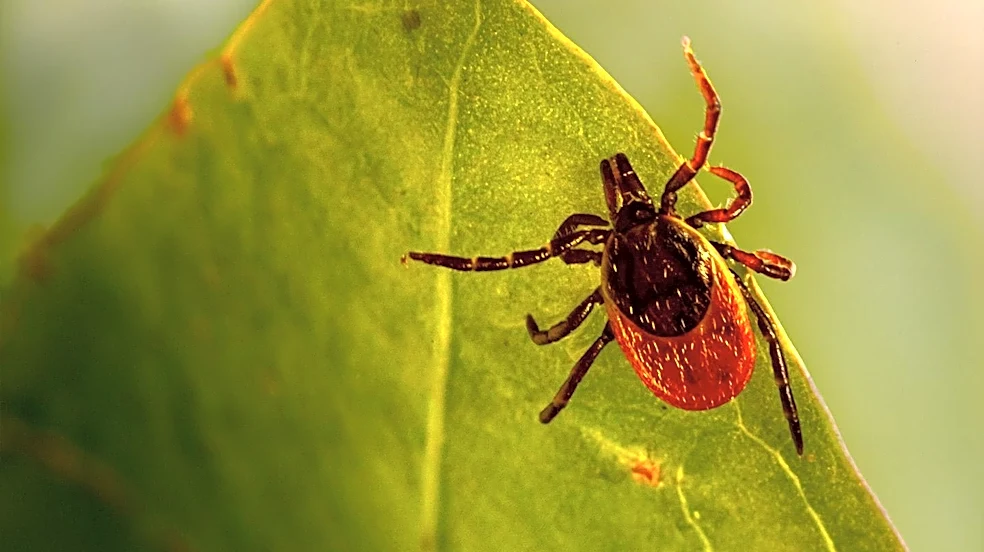
Lyme disease, a tick-borne illness, presents a complex picture of prevalence across the United States, Europe, and parts of Asia and Eurasia. While the U.S. has a substantial documented burden, with an estimated 476,000 people potentially diagnosed and treated
annually, several European countries report higher incidence rates relative to their populations. For instance, Belgium, Finland, the Netherlands, and Switzerland have reported incidence exceeding 100 cases per 100,000 people per year. The challenge in making direct global comparisons stems from differing surveillance systems, case definitions, reporting requirements, and diagnostic practices across countries. The bacteria responsible for Lyme disease also vary geographically; most U.S. infections are caused by Borrelia burgdorferi sensu stricto, while European infections often involve Borrelia afzelii and Borrelia garinii. Within the U.S., Lyme disease is concentrated in the Northeast, mid-Atlantic, and upper Midwest, where extensive habitats for blacklegged ticks and their animal hosts contribute to higher risk. These regional differences and the variability in reporting methods make it difficult to definitively rank countries by Lyme disease prevalence.
Why It's Important?
The varying prevalence and reporting methods of Lyme disease have significant implications for public health, medical research, and international collaboration. For the U.S., the high number of estimated cases underscores the ongoing need for effective prevention strategies, early diagnosis, and treatment, particularly in endemic regions. The differences in bacterial strains between continents highlight the necessity for tailored diagnostic tests and treatment protocols, as current methods may not be universally effective. The lack of standardized global surveillance complicates efforts to understand the true burden of the disease worldwide, hindering resource allocation and the development of international public health initiatives. This situation also impacts travel health advisories and the clinical approach to patients who may have been exposed to ticks in different geographical areas. Understanding these complexities is crucial for policymakers and healthcare providers to develop more effective and targeted interventions, both domestically and in collaboration with international partners, to mitigate the impact of Lyme disease.
What's Next?
Future efforts will likely focus on improving and standardizing Lyme disease surveillance systems globally to allow for more accurate comparisons and a clearer understanding of the disease's true burden. Research into the geographical distribution of different Borrelia strains will continue to inform the development of more precise diagnostic tools and vaccines. Public health campaigns in the U.S. will need to adapt to the evolving geographical spread of ticks and the disease, particularly in the Northeast and other high-risk areas. International collaborations among researchers and public health organizations are expected to increase, aiming to share data, best practices, and research findings to combat the disease more effectively. Clinicians will also need to remain informed about the varying manifestations and diagnostic considerations of Lyme disease based on a patient's travel history and potential exposure locations. The ongoing impact of climate change on tick habitats and disease transmission will also be a critical area of study and policy consideration.
Beyond the Headlines
Beyond the immediate health concerns, the disparate data on Lyme disease highlight broader challenges in global health data collection and interoperability. The inability to easily compare disease prevalence across countries due to differing methodologies can lead to misinformed public perceptions and policy decisions. This issue extends beyond Lyme disease to other infectious diseases, underscoring the need for a more harmonized approach to health surveillance worldwide. Ethically, this data gap can lead to inequities in healthcare access and research funding, as regions with less robust reporting systems may appear to have a lower disease burden, potentially overlooking significant public health needs. Culturally, public awareness and understanding of Lyme disease risks vary significantly, influencing individual preventative behaviors and healthcare-seeking patterns. Addressing these deeper implications requires not only scientific advancements but also international cooperation on data standards, public health education, and equitable resource distribution.