





What's Happening?
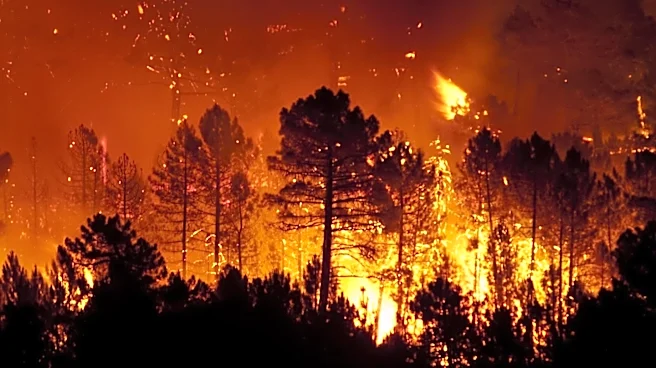
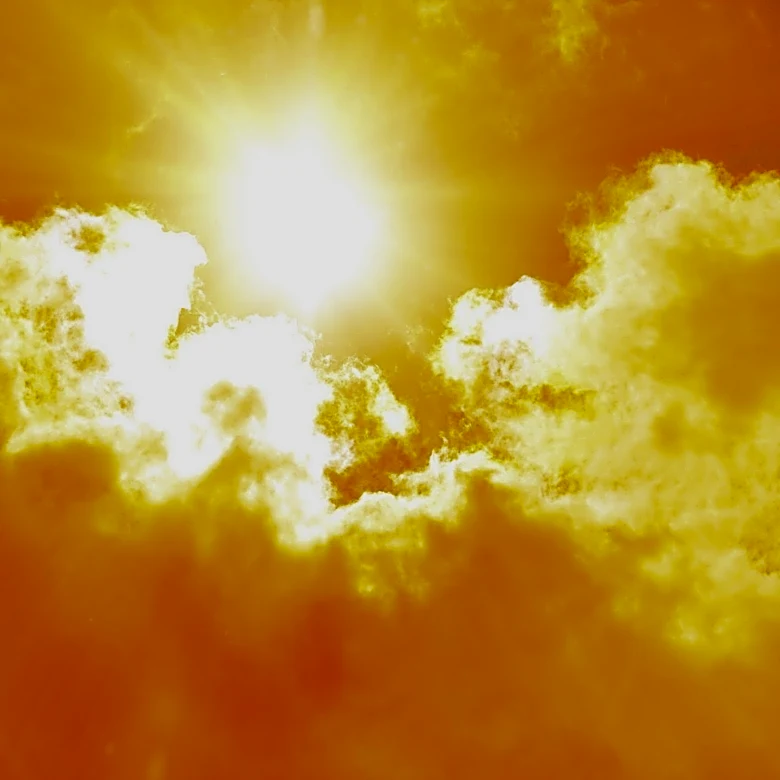
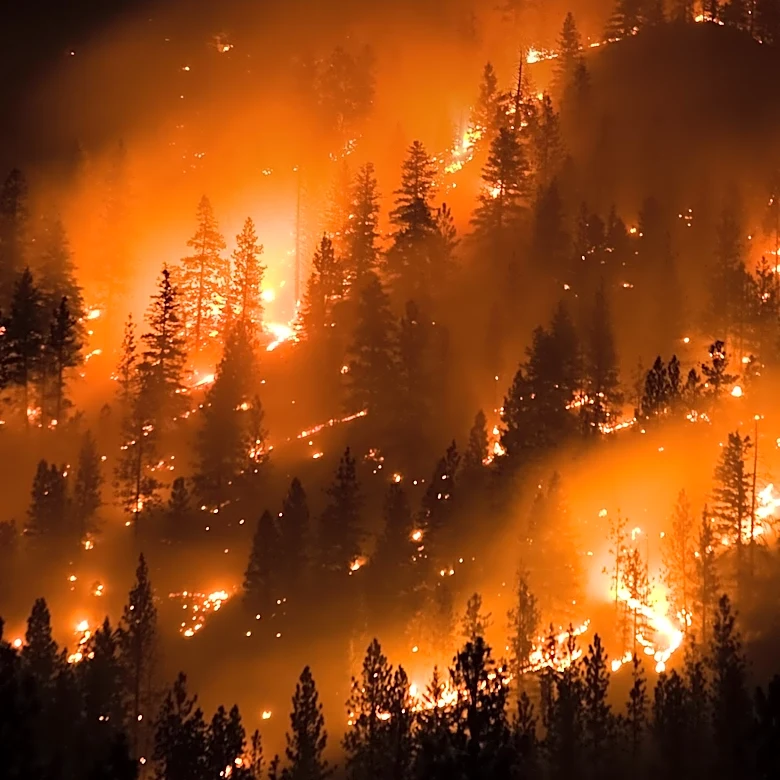
Governor Tim Walz of Minnesota has declared a peacetime emergency and mobilized the Minnesota National Guard to combat ongoing wildfires in the northern part of the state. These fires, fueled by hot temperatures, dry conditions, and strong winds, are primarily
affecting the Boundary Waters region near the Canadian border. While the fires have not yet caused widespread damage to cropland, the smoke and degraded air quality pose significant challenges for farmers in Minnesota, Wisconsin, Michigan, and parts of Canada. The National Guard's involvement aims to provide additional resources and support to firefighting efforts, as more than a dozen active fires have been reported, leading to evacuations and trail closures.
Why It's Important?
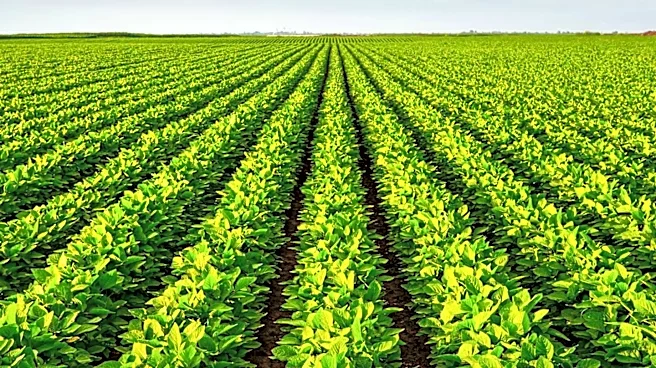
The wildfires in Minnesota have broader implications for agriculture in the region. Smoke from the fires can affect livestock health, leading to respiratory stress and reduced productivity. Crops, particularly corn, may also suffer due to reduced sunlight and potential ozone formation, which can damage plant tissue. The fires also threaten transportation networks crucial for moving agricultural products, potentially causing delays and logistical challenges. As the fires continue, the agricultural sector must navigate these environmental and operational hurdles, which could impact yields and economic stability in the region.
What's Next?
Farmers and agricultural stakeholders in the affected areas are advised to monitor air quality forecasts and the health of their livestock closely. They should also be aware of any transportation advisories or road closures that could impact supply chains. With continued heat and elevated fire danger in the forecast, the situation remains dynamic, and further developments could exacerbate the challenges faced by the agricultural community. Ongoing firefighting efforts and weather conditions will play a critical role in determining the extent of the impact on agriculture.