








What's Happening?
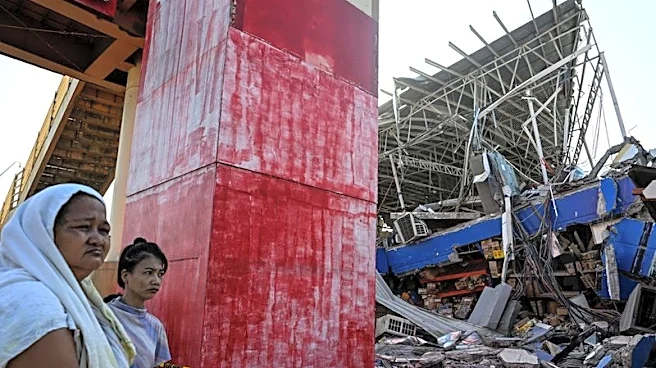
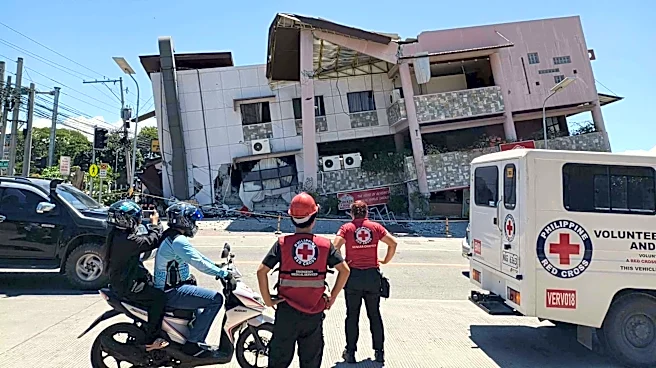
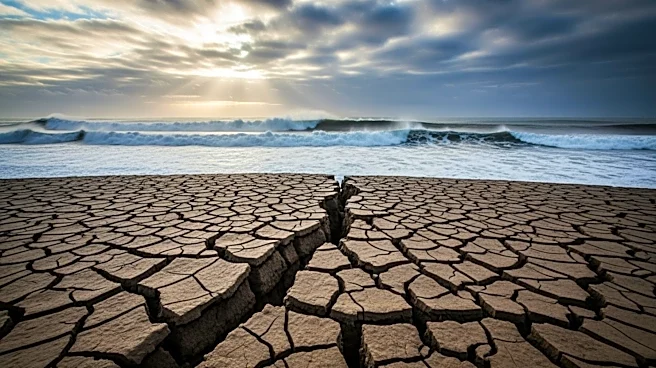
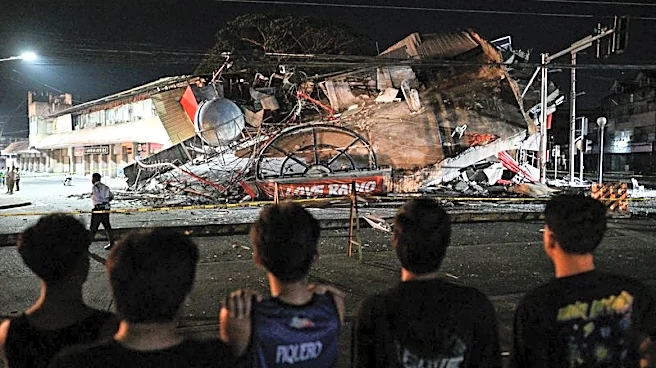
A powerful earthquake with a magnitude of 7.8 struck the southern Philippines on June 8, 2026, causing significant destruction and loss of life. The earthquake, centered off the coast of Mindanao, resulted in at least 32 fatalities and over 200 injuries.
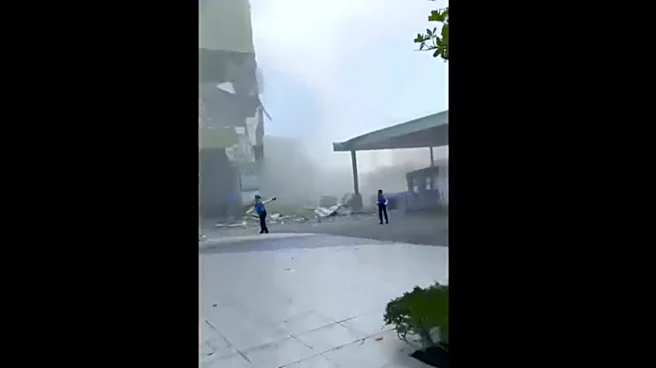
The tremor triggered a small tsunami, which caused additional damage in coastal areas. In Sarangani province, a deadly landslide claimed the lives of 13 villagers. The earthquake was the strongest to hit the Philippines this year, according to Teresito Bacolol of the Philippines Institute of Volcanology and Seismology. The quake also caused panic among school children in Davao Occidental, where a roof collapsed at DepEd Mahayahay Elementary School, though no injuries were reported. The national government has been coordinating disaster response efforts as aftershocks continue to affect the region.
Why It's Important?
The earthquake's impact on the Philippines highlights the vulnerability of the region to natural disasters, which can have devastating effects on communities and infrastructure. The loss of life and injuries underscore the urgent need for effective disaster preparedness and response strategies. The event also serves as a reminder of the potential for tsunamis to cause widespread damage in coastal areas. The economic implications are significant, as rebuilding efforts will require substantial resources and could strain the country's financial capabilities. Additionally, the psychological impact on survivors, particularly children who experienced the quake at school, may have long-term effects on the community's well-being.
What's Next?
In the aftermath of the earthquake, the Philippines government is likely to focus on immediate relief efforts, including providing shelter and medical care to those affected. Long-term recovery plans will need to address rebuilding infrastructure and homes, as well as implementing measures to mitigate the impact of future natural disasters. International aid and support may be sought to assist in these efforts. The government may also review and strengthen its disaster preparedness and response strategies to better protect its citizens in the future.
Beyond the Headlines
The earthquake in the Philippines raises broader questions about the country's resilience to natural disasters and the effectiveness of its current disaster management systems. The event may prompt discussions on the need for improved building codes and infrastructure that can withstand seismic activity. Additionally, the psychological impact on children and communities could lead to increased focus on mental health support and trauma-informed care in disaster response plans. The international community may also consider how to better support countries like the Philippines in building resilience against such catastrophic events.