

What's Happening?
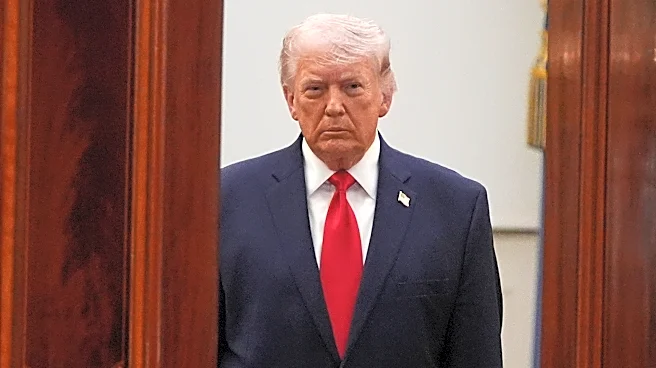
President Trump has announced ongoing diplomatic efforts with Iran, despite public denials from Iranian officials. The U.S. has proposed a 15-point plan aimed at resolving the conflict, with Pakistan acting as an intermediary. While some progress is claimed
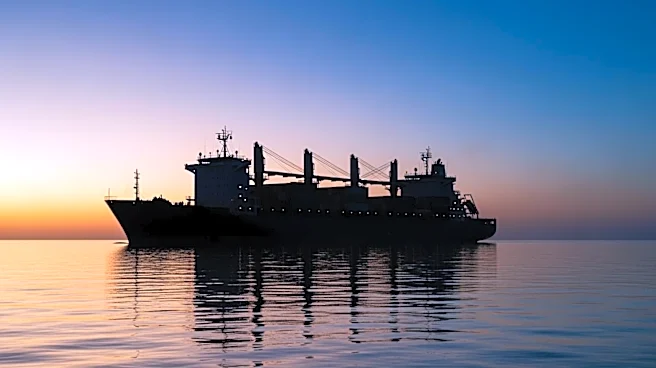
by the U.S., Iran has rejected the proposals, citing excessive demands. The situation remains tense as thousands of U.S. troops are deployed to the Middle East, and Trump has threatened to target Iranian energy infrastructure if negotiations fail. The diplomatic efforts are complicated by Iran's control over the Strait of Hormuz, a critical oil passageway, and the lack of clarity on decision-making within Iran's leadership.
Why It's Important?
The ongoing conflict and diplomatic efforts have significant implications for global oil markets, with prices spiking due to uncertainties surrounding the Strait of Hormuz. The U.S. aims to prevent Iran from enriching uranium and sponsoring terrorism, which are key points in the proposed plan. The situation affects U.S. foreign policy and military strategy, as well as domestic politics, with rising gas prices posing challenges for Trump ahead of the midterm elections. The outcome of these negotiations could reshape U.S.-Iran relations and impact regional stability in the Middle East.
What's Next?
The next steps involve continued diplomatic exchanges through intermediaries, with Pakistan playing a crucial role. The U.S. may increase military presence in the region if negotiations stall, and further economic sanctions could be imposed on Iran. The international community, including Saudi Arabia, Turkey, and Egypt, may also influence the diplomatic process. The situation remains fluid, with potential for escalation if diplomatic efforts fail to yield results.