





What's Happening?
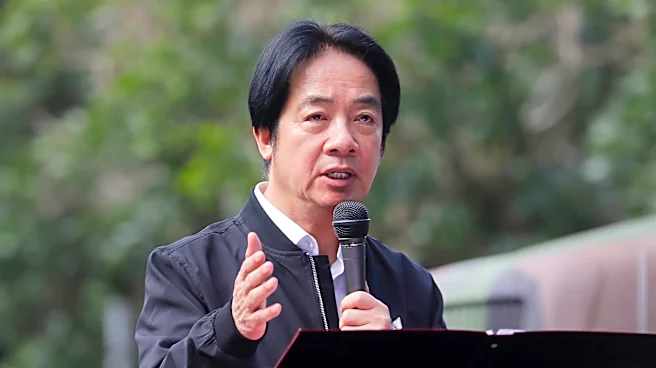
Taiwan's President Lai Ching-te arrived in Eswatini, marking a significant diplomatic engagement with Taiwan's sole African ally. The visit was initially delayed due to several countries revoking flight permits under pressure from China. Lai emphasized
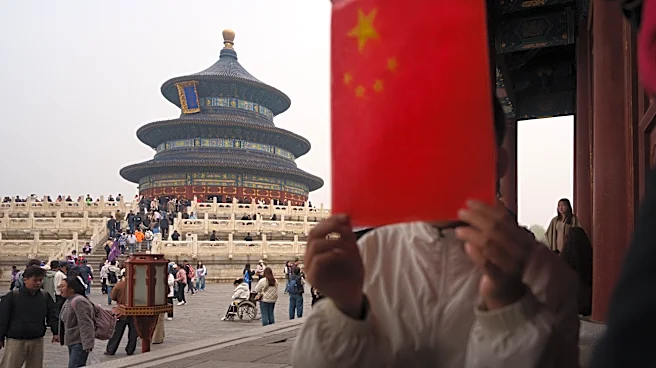
Taiwan's commitment to maintaining international relations despite external pressures. The trip aims to strengthen economic, agricultural, cultural, and educational ties between Taiwan and Eswatini. China's Ministry of Foreign Affairs criticized the visit, reiterating its stance that Taiwan is part of China. Taiwan's Foreign Ministry defended the visit as compliant with international norms.
Why It's Important?
This visit underscores the geopolitical tensions between Taiwan and China, highlighting Taiwan's efforts to sustain international alliances despite China's influence. The diplomatic engagement with Eswatini is crucial for Taiwan, as it seeks to maintain its limited international recognition. China's response reflects its ongoing strategy to isolate Taiwan diplomatically. The situation impacts U.S.-China relations, as Taiwan is a significant factor in their diplomatic interactions. The visit also illustrates the broader challenges faced by Taiwan in asserting its sovereignty on the global stage.
What's Next?
Taiwan may continue to seek diplomatic engagements with other countries, potentially facing further challenges from China. The international community's response to Taiwan's diplomatic efforts could influence future geopolitical dynamics. Eswatini's role as Taiwan's ally may attract more attention from China, possibly affecting its international relations. The U.S. and other countries might reassess their diplomatic strategies concerning Taiwan and China, considering the implications for regional stability.