






What's Happening?
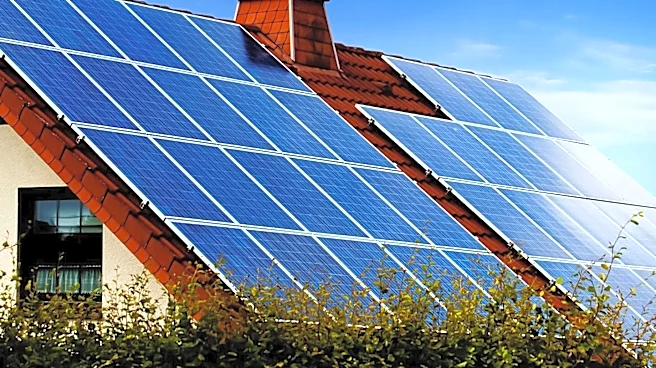
The Internal Revenue Service (IRS) has confirmed that homeowners will no longer be able to claim the federal residential solar tax credit, known as the Residential Clean Energy Credit under Section 25D, for solar systems installed after December 31, 2025.
This means that any solar energy system placed in service in 2026 or later will not be eligible for this specific homeowner credit. However, a separate business credit under Section 48E may still be available to eligible companies that own solar systems and lease them to homeowners. The eligibility for this business credit is subject to federal rules and deadlines, including specific construction and installation timelines. For instance, certain wind and solar projects that begin construction after July 4, 2026, must be placed in service by December 31, 2027, to qualify. The financial benefit, if any, passed on to homeowners from this business credit depends entirely on the terms of their contract with the solar leasing company. Homeowners are advised to clarify who claims any tax credits and how that impacts their pricing when considering solar options.
Why It's Important?
This change significantly impacts the financial landscape for U.S. homeowners considering solar energy installations. The cessation of the residential tax credit removes a direct incentive that has historically made solar power more affordable and accessible for individual property owners. This shift could potentially slow the adoption rate of residential solar systems if homeowners perceive the upfront costs as less manageable without the federal credit. For solar leasing companies, the continued availability of the business credit under Section 48E means they can still leverage federal incentives, but the competitive advantage they offer to homeowners will now hinge more heavily on their ability to pass on these savings through attractive lease agreements. The distinction between who claims the credit—the homeowner or the leasing company—becomes a critical factor in consumer decision-making, requiring greater transparency from solar providers regarding pricing and benefit allocation. This could lead to a re-evaluation of business models within the residential solar industry, potentially favoring leasing models over direct ownership for some consumers.
What's Next?
Homeowners planning to install solar systems in 2026 or beyond will need to adjust their financial expectations, as the direct federal tax credit will no longer be available to them. They should thoroughly investigate state and local incentives, which may still exist, to offset installation costs. For those considering leased solar systems, it will be crucial to scrutinize contracts from solar providers to understand how the business credit under Section 48E, if claimed by the company, translates into savings for the homeowner. Consumers should ask for clear, written explanations of pricing structures and who receives any available credits or incentives. The solar industry may see an increased focus on marketing the benefits of leasing models, emphasizing how companies can leverage business credits to offer competitive rates. Additionally, there might be a push for new state or local initiatives to fill the gap left by the expiring federal residential credit, as policymakers aim to maintain momentum in renewable energy adoption.
Beyond the Headlines
The expiration of the federal residential solar tax credit highlights a broader shift in how the U.S. government incentivizes renewable energy. By discontinuing the direct homeowner credit while maintaining a business credit, the policy framework appears to be steering towards supporting larger-scale commercial solar projects or business-led residential installations, rather than direct individual investment. This could lead to a consolidation in the residential solar market, favoring larger leasing companies that can navigate complex business credit requirements. It also raises questions about equity in solar access; homeowners with less access to favorable leasing terms or those who prefer outright ownership might find solar less attainable. The long-term implications could include a more centralized solar energy market, where individual homeowners become consumers of solar energy services rather than direct producers and beneficiaries of federal tax incentives. This policy change underscores the evolving nature of renewable energy incentives and their potential to reshape market dynamics and consumer choices.