



What's Happening?
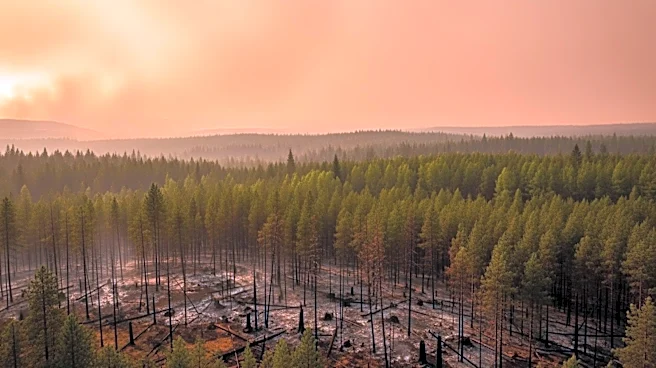
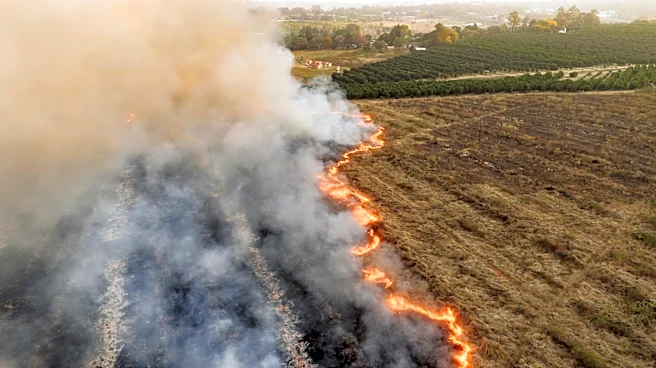
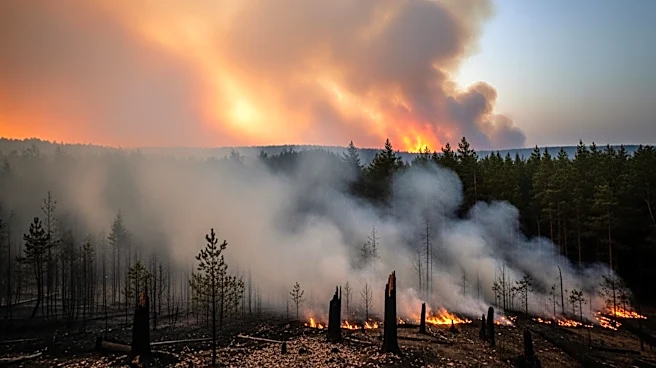
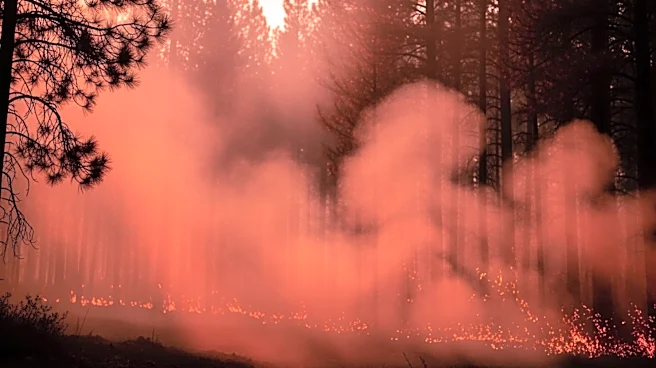
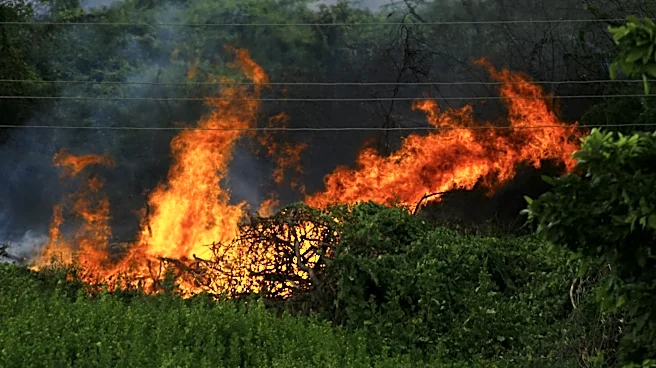
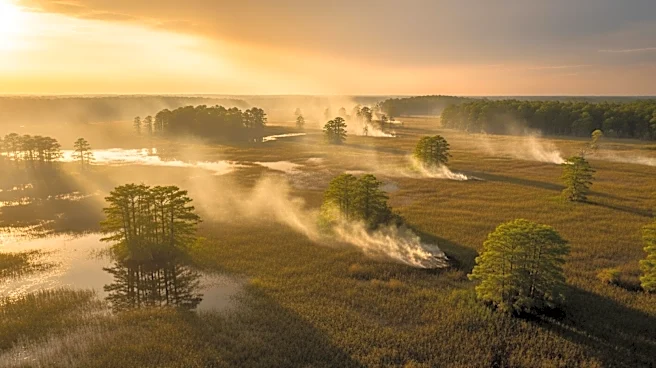
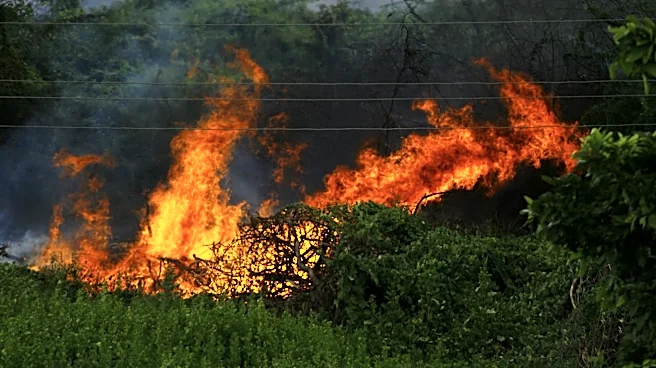
Two significant wildfires are currently burning in Broward and Miami-Dade counties, impacting air quality and visibility across South Florida. The Florida Forest Service, along with state and local agencies, is actively working to contain these fires.
The largest of these, the Max Road Fire, has already scorched over 11,000 acres in western Broward County. Meanwhile, the 172nd Avenue Fire in Miami-Dade County has burned at least 300 acres, temporarily closing Card Sound Road and restricting access to the Florida Keys. The fires are being tracked on Florida's Active Wildfire Points map, which provides real-time updates on the situation. Residents are advised to monitor air quality and exercise caution due to reduced visibility caused by heavy smoke.
Why It's Important?
The ongoing wildfires in South Florida highlight the region's vulnerability during its dry season, which typically spans from October to May. This period is characterized by increased wildfire risks due to dry vegetation, low humidity, and windy conditions. The current fires underscore the broader environmental and public health challenges posed by such natural disasters. The impact on air quality can have significant health implications for residents, particularly those with respiratory conditions. Additionally, the fires pose logistical challenges, affecting transportation and access to key areas like the Florida Keys. The situation calls for heightened awareness and preparedness among residents and local authorities to mitigate the risks associated with wildfires.
What's Next?
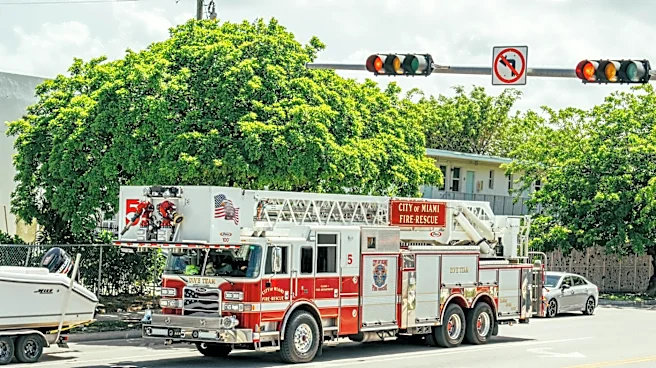
Firefighters will continue efforts to contain the wildfires, with a focus on protecting populated areas and critical infrastructure. Authorities are likely to maintain road closures and issue air quality advisories as needed. Residents may need to prepare for potential evacuations if the fires spread further. The Florida Forest Service and other agencies will likely increase public awareness campaigns to discourage outdoor burning and promote fire safety. As the dry season progresses, ongoing monitoring and rapid response will be crucial in managing wildfire risks and minimizing their impact on communities.