
What's Happening?
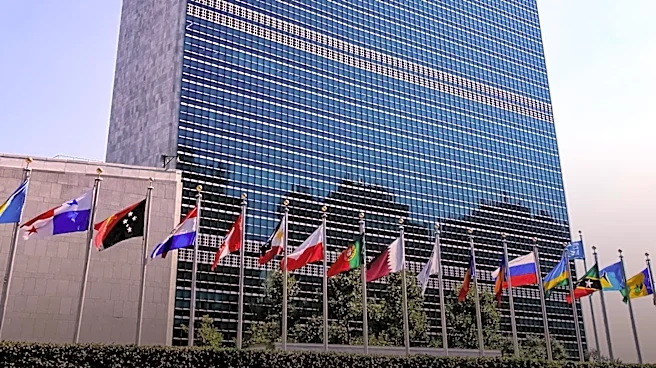
During the 61st session of the United Nations Human Rights Council (UNHRC), Italy played a significant role in addressing key global issues. The session, which concluded on March 31, 2026, took place amidst
a complex geopolitical context, including conflicts in the Middle East, Ukraine, Sudan, and Myanmar. Italy actively participated in discussions on the rights of children, people with disabilities, and freedom of religion and belief. The country emphasized the importance of protecting religious minorities and promoting peaceful coexistence. Italy also addressed the need for accountability for war crimes and the protection of cultural rights. The session highlighted Italy's commitment to human rights and its efforts to promote dialogue and concrete action on these issues.
Why It's Important?
Italy's involvement in the UNHRC session underscores its commitment to the universality and protection of human rights. By focusing on issues such as the rights of children and people with disabilities, freedom of religion, and accountability for war crimes, Italy aims to promote global human rights standards. The session also highlighted structural tensions and geopolitical challenges, such as Russia's aggression in Ukraine and Iranian attacks in the Persian Gulf. Italy's active participation in the session reflects its strategic interests in consolidating European influence and promoting interregional relations. However, the session also revealed challenges, including the growing polarization of the Council and the need for consistency between Italy's international commitments and domestic policies.
What's Next?
Italy is expected to continue its engagement with the UNHRC and other international organizations to promote human rights globally. The country will likely focus on strengthening its diplomatic network and building coalitions to address critical human rights issues. Italy's commitment to promoting religious freedom and protecting vulnerable groups will remain a priority. The session also highlighted the need for Italy to address domestic challenges, such as the management of migration flows and the protection of social and economic rights, to maintain its credibility on the international stage.