


What's Happening?
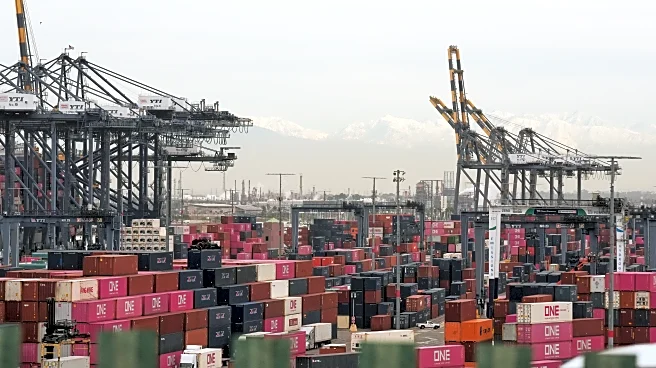
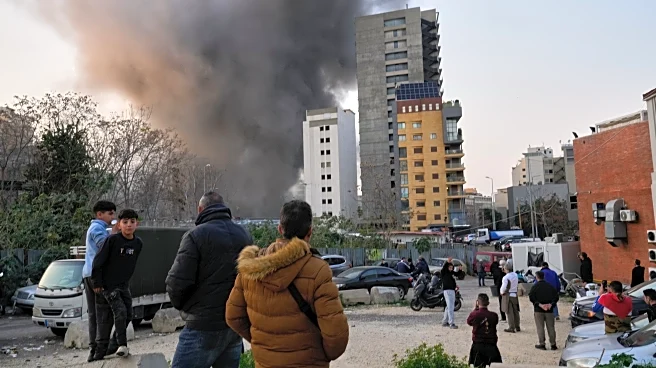
The ongoing conflict in Iran is causing significant disruptions in the global fertilizer market, which could severely impact food supplies worldwide. Svein Tore Holsether, CEO of Yara International, one of the largest fertilizer companies, has warned
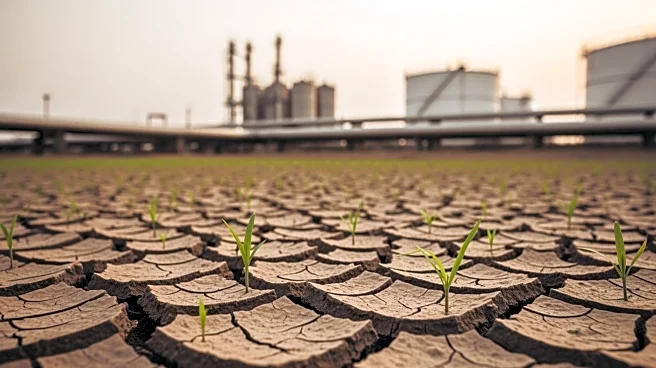
that the conflict's continuation could lead to catastrophic consequences for global food security. The Middle East, particularly the Gulf region, is a major producer of ammonia and urea, essential components in fertilizers. Since the conflict began, the prices of these raw materials have surged, with urea prices increasing from $487 to $700 per tonne. Holsether emphasized that if the Strait of Hormuz were closed for an extended period, it would drastically reduce crop yields, potentially by up to 50% for some crops. The situation is exacerbated by rising gas prices, which are crucial for fertilizer production, further inflating costs.
Why It's Important?
The disruption in fertilizer supply due to the Iran conflict has far-reaching implications for global food security. As fertilizer prices soar, the cost of food production increases, potentially leading to higher food prices worldwide. This situation disproportionately affects poorer countries, which may struggle to compete with wealthier nations in securing fertilizer supplies. The United Nations World Food Programme has expressed concerns that rising food and fuel prices could exacerbate hunger among vulnerable populations, particularly in regions already facing food insecurity. The conflict highlights the interconnectedness of global supply chains and the potential for regional conflicts to have widespread economic and humanitarian impacts.
What's Next?
If the conflict in Iran persists, it is likely that fertilizer prices will continue to rise, further straining global food supply chains. Countries may need to explore alternative sources of fertilizer or increase domestic production to mitigate the impact. Additionally, international organizations and governments may need to intervene to ensure equitable distribution of fertilizers to prevent a global food crisis. Monitoring the situation in the Middle East and its impact on global markets will be crucial in the coming months.
Beyond the Headlines
The current situation underscores the vulnerability of global food systems to geopolitical conflicts. It raises questions about the sustainability of relying heavily on specific regions for critical agricultural inputs. This crisis could prompt a reevaluation of global agricultural practices and encourage investment in more resilient and diversified supply chains. Furthermore, it highlights the need for international cooperation to address food security challenges and ensure that vulnerable populations are not disproportionately affected by global market fluctuations.