






What's Happening?
Kalshi, a major prediction market company, has come under fire for its involvement in the Los Angeles mayoral race. The company instructed paid influencers to delete posts that questioned the election's integrity, amid accusations of election interference.
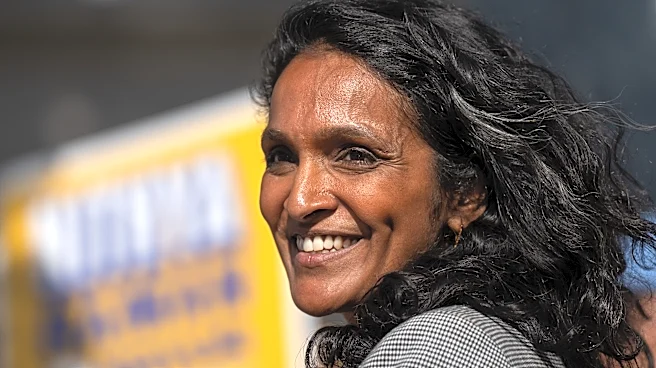
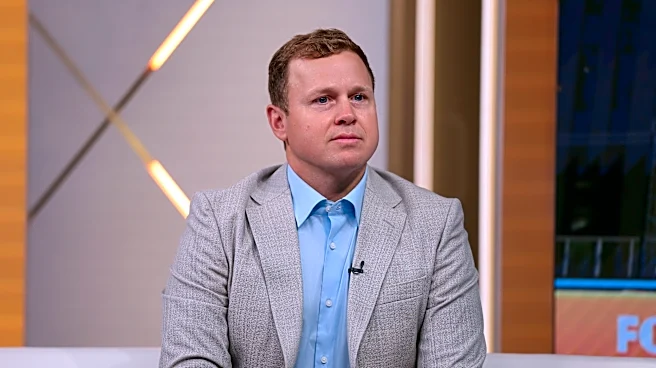
Influencers had shared content suggesting manipulation in the race between Spencer Pratt and Nithya Raman, while promoting betting odds through Kalshi. The posts, labeled as paid partnerships, sparked controversy and were seen as blurring the line between political commentary and advertising. Kalshi's actions highlight the growing role of prediction markets in political discourse and the ethical concerns surrounding influencer marketing.
Why It's Important?
This incident raises significant questions about the influence of prediction markets and social media on political processes. The use of paid influencers to promote election-related content can undermine public trust in electoral integrity, especially when allegations of manipulation are involved. The controversy also underscores the challenges of regulating influencer marketing in political contexts, where the distinction between genuine commentary and paid promotion can be unclear. As election integrity remains a contentious issue in the U.S., the role of companies like Kalshi in shaping public perceptions warrants closer scrutiny.
What's Next?
Kalshi's response to the backlash will be critical in addressing concerns about its marketing practices. The company may need to revise its affiliate policies to prevent similar controversies in the future. Additionally, regulatory bodies could explore new guidelines for influencer marketing in political contexts to ensure transparency and accountability. The incident may also prompt other prediction market platforms to reassess their strategies, as public and regulatory scrutiny intensifies.