








What's Happening?
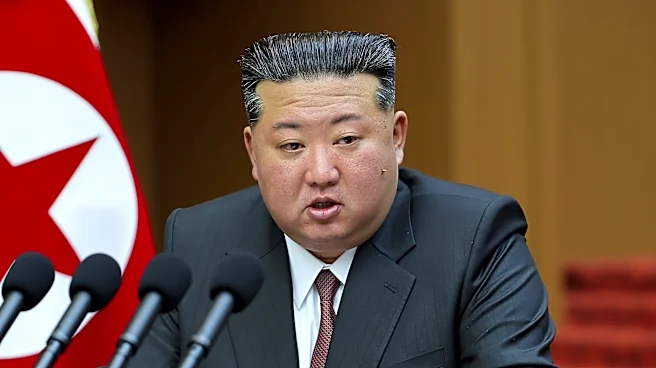
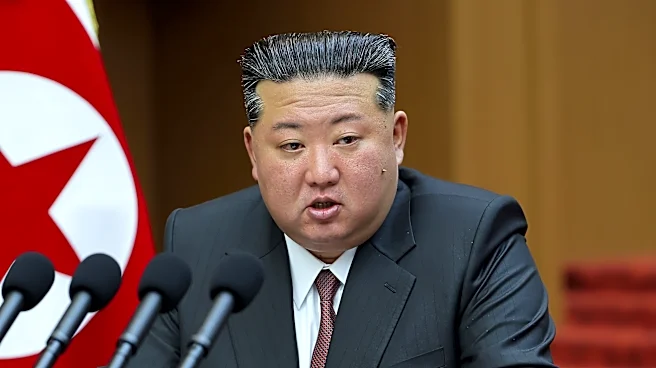
North Korean leader Kim Jong Un recently visited Dandong, a Chinese border city, to honor Chinese People’s Volunteers. This visit occurred on the eve of the 76th anniversary of the Chinese People’s Volunteer (CPV) Army's entry into the Korean War. Kim Jong Un was
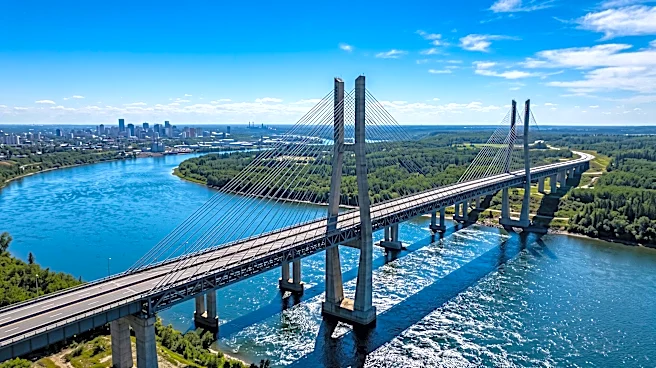
greeted by Wang Huning, a senior member of China's top leadership, who conveyed greetings from Chinese President Xi Jinping. During the visit, Kim Jong Un presented a flower basket at the Memorial Hall of the War to Resist U.S. Aggression and Aid Korea and toured the facility. He also visited the Dandong City Bus Factory. The visit, which included arrangements made under Xi Jinping’s direction, was seen as a significant gesture to reinforce the traditional friendship between China and North Korea and to explore opportunities for expanded economic cooperation, particularly following the opening of a new Yalu River bridge connecting the two countries. Despite some speculation about strained relations due to President Xi's absence, the Chinese leadership provided substantial courtesy appropriate to the visit's scale and purpose, according to the source.
Why It's Important?
This visit is important as it underscores North Korea's continued focus on economic development and its strategic reliance on China. Kim Jong Un's proactive diplomacy, even in the absence of a direct meeting with President Xi, suggests a calculated effort to encourage economic cooperation and secure tangible benefits for North Korea. For the U.S., this event highlights the enduring alliance between China and North Korea, which can complicate denuclearization efforts and regional stability. The emphasis on historical ties, particularly the joint fight against 'imperialist aggression' during the Korean War, reinforces a narrative that can be used to counter U.S. influence in the region. Expanded economic cooperation between China and North Korea could also provide Pyongyang with avenues to circumvent international sanctions, thereby undermining U.S. and international efforts to pressure North Korea into denuclearization. The visit also serves as a reminder of the complex geopolitical dynamics in Northeast Asia, where historical alliances and economic imperatives continue to shape regional interactions.
What's Next?
The visit is expected to lead to expanded personnel exchanges and trade cooperation between China and North Korea, particularly with the new Yalu River bridge serving as a key conduit. Both nations have expressed a commitment to strengthening strategic communication and collaboration to foster a peaceful and stable external environment, which could involve coordinated responses to regional security issues. North Korea's continued pursuit of economic development through engagement with China suggests that Pyongyang will likely seek further opportunities for bilateral cooperation, potentially including infrastructure projects and trade agreements. The U.S. and its allies will likely monitor these developments closely for any signs of increased military or economic collaboration that could impact regional security or sanctions enforcement. The ongoing efforts to identify and repatriate the remains of Chinese People’s Volunteers from the Korean War also signify a continued emphasis on historical solidarity, which could be leveraged in future diplomatic engagements.
Beyond the Headlines
Beyond the immediate diplomatic and economic implications, Kim Jong Un's visit to Dandong carries significant symbolic weight, particularly in its emphasis on the 'blood-forged' friendship between China and North Korea. This historical narrative, rooted in their joint participation in the Korean War, serves as a powerful ideological tool to legitimize their alliance and foster a sense of shared destiny against perceived external threats. The visit also highlights the ethical dimension of historical memory, as both nations selectively emphasize aspects of their past to serve present political objectives. For the U.S., understanding this deep-seated historical context is crucial for navigating future diplomatic engagements, as it reveals the profound cultural and ideological underpinnings of the China-North Korea relationship. The focus on economic development, even amidst international sanctions, also raises questions about the effectiveness of current pressure tactics and the need for alternative strategies that acknowledge North Korea's internal priorities and its strategic options.