



What's Happening?
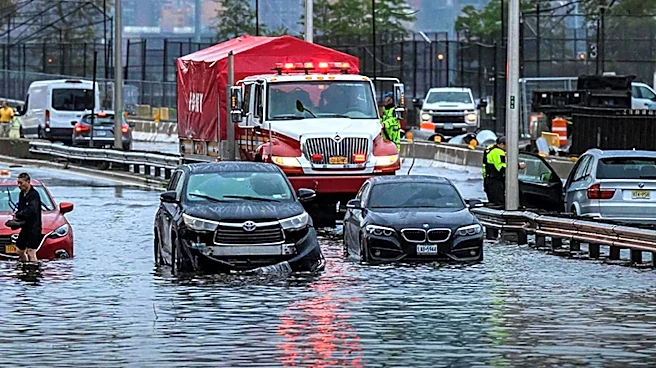
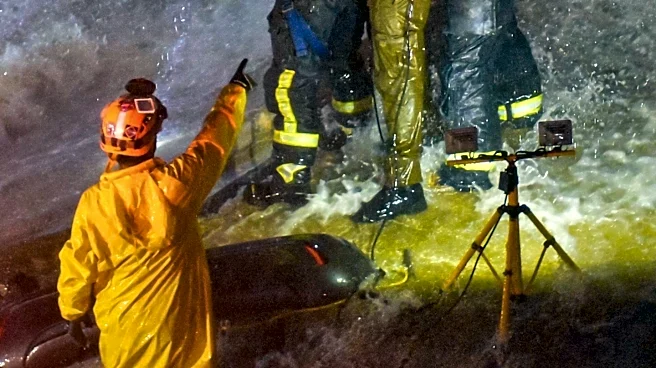
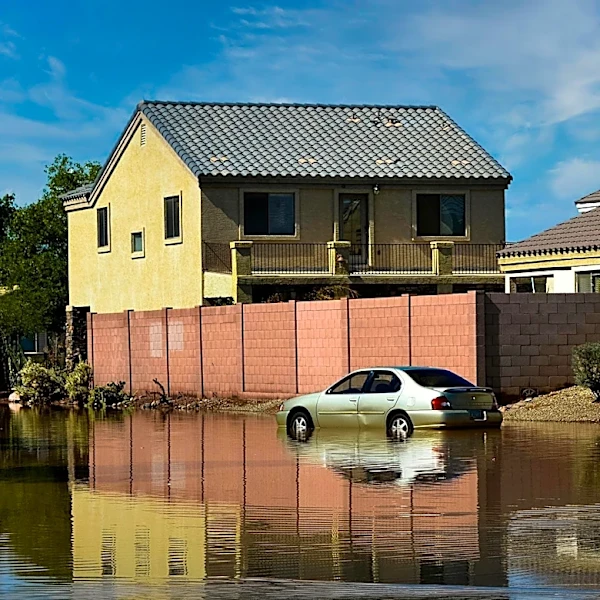
Tucson firefighters recently executed multiple swift water rescues, saving drivers trapped by rapidly rising floodwaters. This occurred after a powerful monsoon storm swept through the Arizona city, causing significant flooding on roads and stranding
vehicles. Fire crews responded quickly, carrying out dramatic rescues within minutes of the flooding. One notable incident involved rescuing a driver who was trapped on top of their car. Flash floods are a significant hazard during the monsoon season in Pima County, which typically runs from June through September. These storms are characterized by heavy rain, lightning, and strong winds, often leading to dangerous flash floods. Flash floods are identified as the leading weather-related killer in the United States, with nearly half of all fatalities being auto-related and approximately 75% occurring at night. The rapid rise of water in streets, wash crossings, and low-lying urban areas poses a severe threat to motorists and residents.
Why It's Important?
The swift water rescues in Tucson underscore the critical danger posed by flash floods, particularly in regions prone to monsoon weather patterns. The fact that flash floods are the number one weather-related killer in the U.S. highlights the severe risk to public safety and the necessity of effective emergency response. For communities in Pima County and similar arid regions, the monsoon season brings essential rainfall but also significant hazards. The rapid onset of flooding can quickly overwhelm infrastructure, leading to stranded vehicles, damaged property, and potential loss of life. The incidents demonstrate the vital role of first responders in mitigating these dangers and the importance of public awareness regarding flood safety, such as the 'Turn Around, Don't Drown' campaign. The economic impact can also be substantial, including costs for emergency services, road repairs, and potential property damage, affecting local businesses and residents.
What's Next?
Following these incidents, authorities will likely continue to emphasize flood safety protocols and public advisories during the remainder of the monsoon season. This includes urging residents to avoid driving through flooded roadways, as even two feet of flowing water can sweep most vehicles downstream. Public awareness campaigns, such as those broadcast by the National Weather Service via NOAA Weather Radio and local media, will remain crucial for informing the public about flood warnings and safety measures. Emergency services will continue to be on high alert, prepared for further swift water rescues and other flood-related emergencies. Additionally, there may be ongoing assessments of urban drainage systems and infrastructure to identify areas vulnerable to rapid inundation and explore potential improvements to mitigate future flood impacts. Residents are advised to stay informed through official channels and adhere to any evacuation or safety instructions.
Beyond the Headlines
The recurring nature of monsoon-related flash floods in areas like Tucson points to broader challenges in urban planning and climate adaptation. As weather patterns potentially become more extreme, the frequency and intensity of such events could increase, placing greater strain on emergency services and infrastructure. The 'Turn Around, Don't Drown' message, while seemingly simple, addresses a deeply ingrained human tendency to underestimate the power of floodwaters, often leading to tragic consequences. Beyond immediate safety, these events highlight the need for long-term strategies, including improved early warning systems, resilient infrastructure design, and continuous public education to foster a culture of preparedness. The psychological impact on communities repeatedly affected by such natural disasters, particularly those who witness or experience traumatic events, also warrants consideration, emphasizing the need for community support and mental health resources in the aftermath of severe weather events.