



What's Happening?
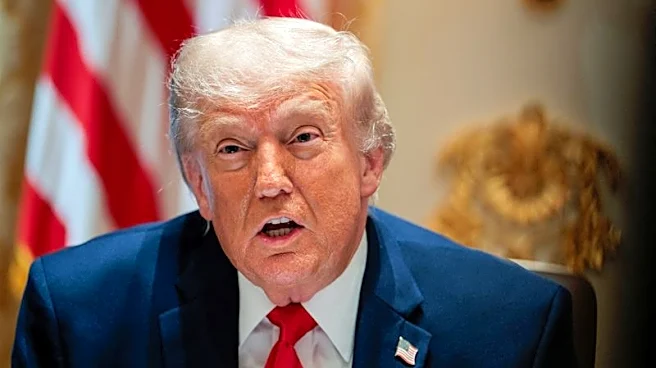
President Trump has criticized the Supreme Court as it prepares to rule on his 2025 executive order aimed at narrowing birthright citizenship under the 14th Amendment. The order seeks to deny automatic citizenship to children born in the U.S. to undocumented
immigrants and some temporary visa holders. The policy has faced multiple lawsuits, with cases consolidated into major challenges from Massachusetts, Maryland, and Washington. The Supreme Court has already held oral arguments, with a decision expected soon. Trump has expressed frustration with the court system, calling it 'rigged' and warning that his order could be struck down.
Why It's Important?
The Supreme Court's decision on birthright citizenship could have significant implications for immigration policy and the interpretation of the 14th Amendment. If upheld, Trump's order would represent a major shift in U.S. citizenship laws, potentially affecting millions of individuals born in the country. The case also highlights the ongoing legal and political battles over immigration policy, with potential impacts on civil rights and the legal status of many residents. The ruling could set a precedent for future executive actions and legal challenges related to citizenship and immigration.
What's Next?
As the Supreme Court prepares to issue its ruling, both supporters and opponents of the order are closely monitoring the case. The decision could prompt further legal challenges and legislative efforts to address birthright citizenship and immigration policy. The outcome may also influence the political landscape, as immigration remains a contentious issue in U.S. politics. Stakeholders, including civil rights groups and state governments, are likely to respond to the ruling with legal and policy actions.